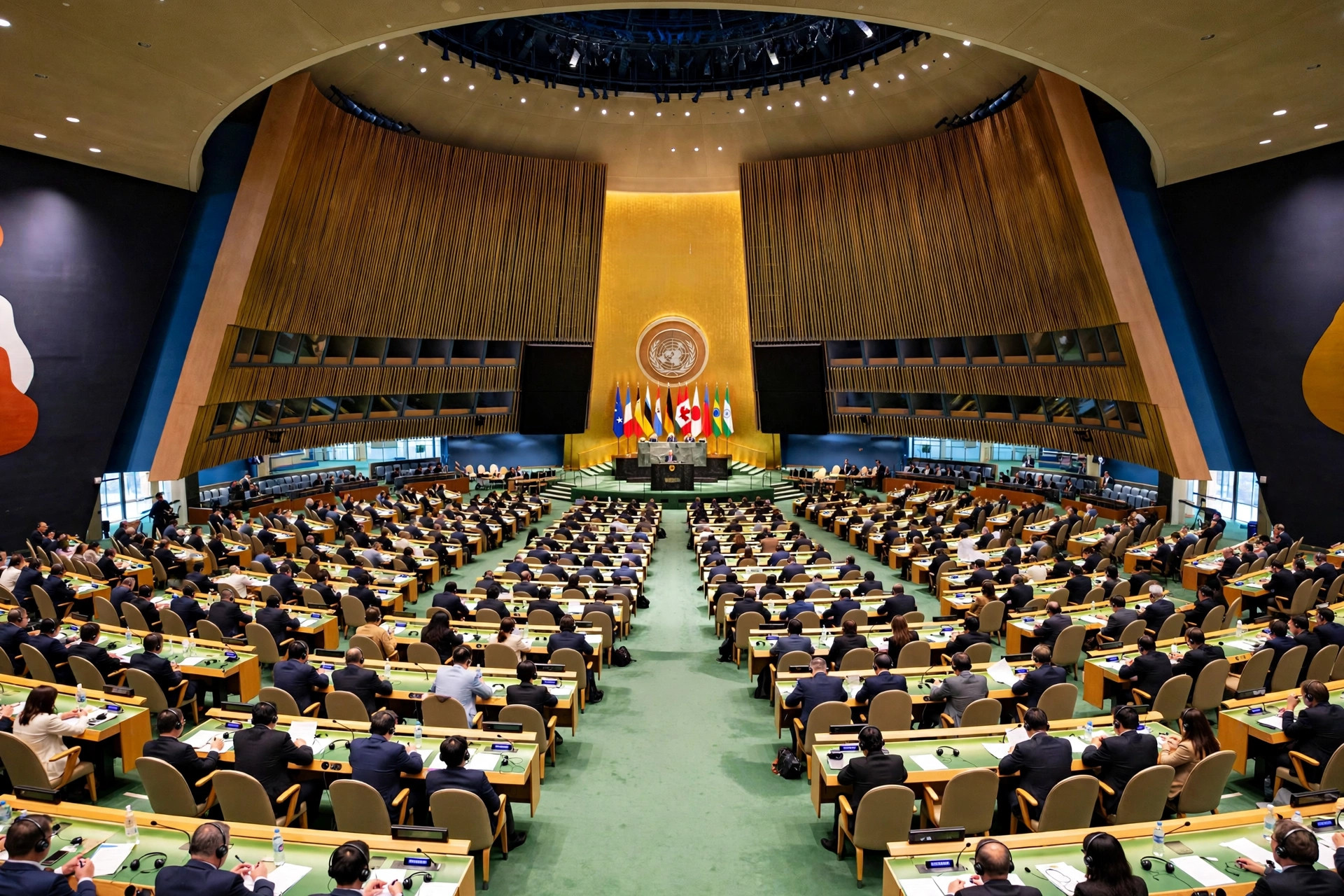
PARIS — French President Emmanuel Macron has fiercely condemned days of nationwide unrest, rioting, and looting, expressing "anger and shame" over the widespread destruction while pledging to bolster security deployments across the country to restore order.
What Happened
President Macron denounced the wave of violence sweeping French cities following high-level crisis meetings with ministers and security officials. Addressing the spiraling chaos that has seen public facilities, vehicles, and commercial storefronts targeted, Macron promised that additional security forces would be mobilized to support overwhelmed local police units.
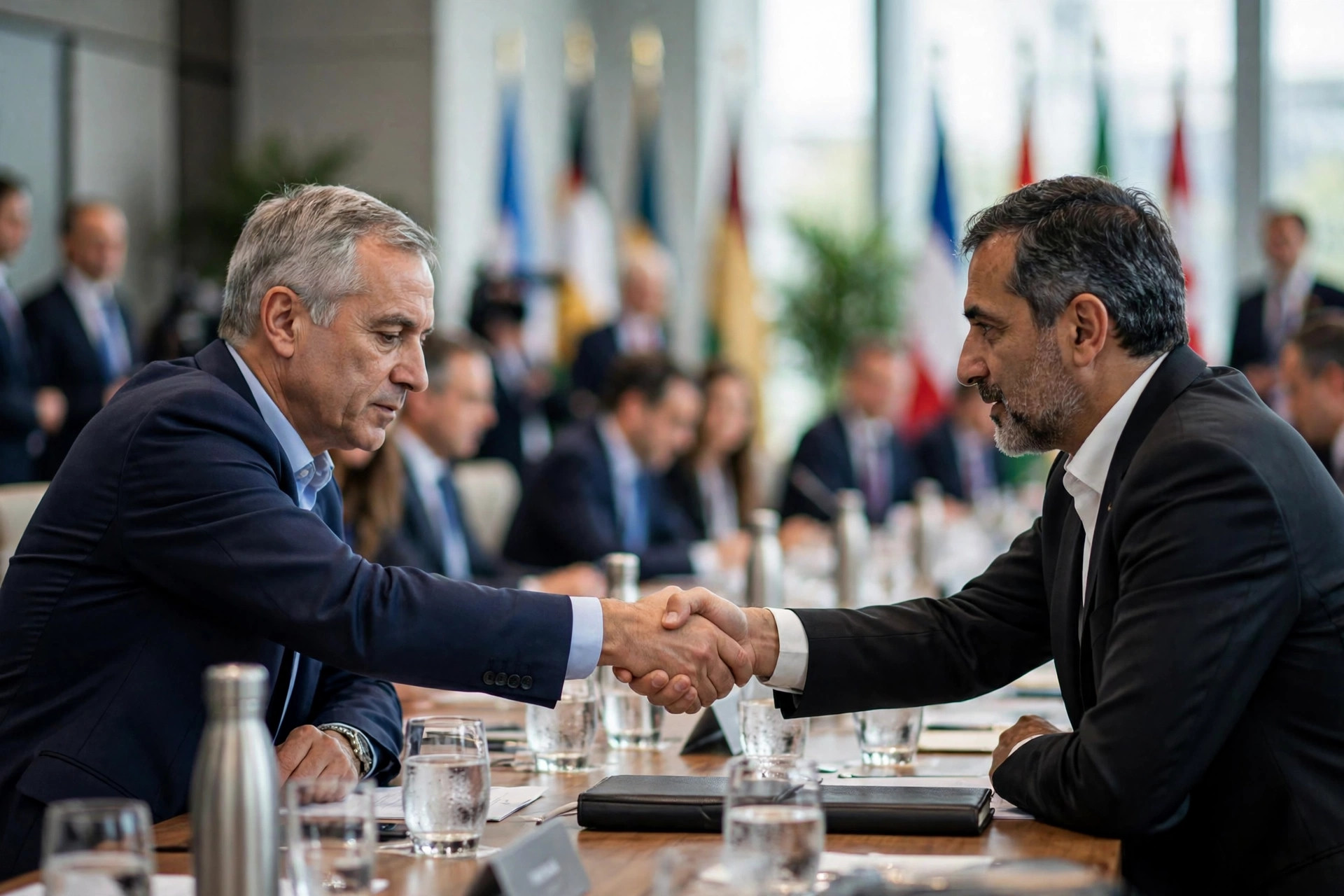
However, the French head of state stopped short of enacting a formal state of emergency or imposing nationwide curfews, measures that had been increasingly demanded by conservative opposition figures to halt consecutive nights of street clashes.
Key Details
The government's strategy seeks to project control through reinforced policing while avoiding extraordinary legal mechanisms that could further inflame tensions on the ground.
- Increased Security Presence: Macron confirmed that additional tactical units and security assets will be deployed to volatile areas to protect citizens and infrastructure.
- No State of Emergency: The Élysée has resisted calls for an immediate declaration of an emergency decree, retaining standard policing protocols for now.
- Condemnation of Violence: The president forcefully framed the attacks on public buildings and commercial districts as unacceptable, expressing the nation's profound frustration with the destructive acts.
What We Know So Far
Nights of severe civil unrest have erupted in metropolitan centers and suburban districts across France. Reports indicate that crowds have clashed with riot police, set fires to infrastructure, and systematically looted retail shops in several major urban centers.
According to sources, municipal authorities have faced significant operational hurdles in responding to decentralized groups rapidly moving through commercial corridors and residential neighborhoods. While transport networks in certain areas have faced preemptive disruptions to prevent further damage, the national government is relying on targeted reinforcements rather than blanket lockdowns to regain control.
What to Watch
The coming hours will prove critical for the Macron administration as the bolstered security measures are put to the test on the ground:
- Monitoring whether the increased police presence will successfully deter further organized rioting or if incidents will continue across major cities.
- Potential moves by regional prefects and local mayors to enact localized curfews and restrictions on public transit if unrest persists.
- Growing political pressure on the Élysée regarding whether the refusal to enact emergency powers will remain sustainable if violence escalates further.