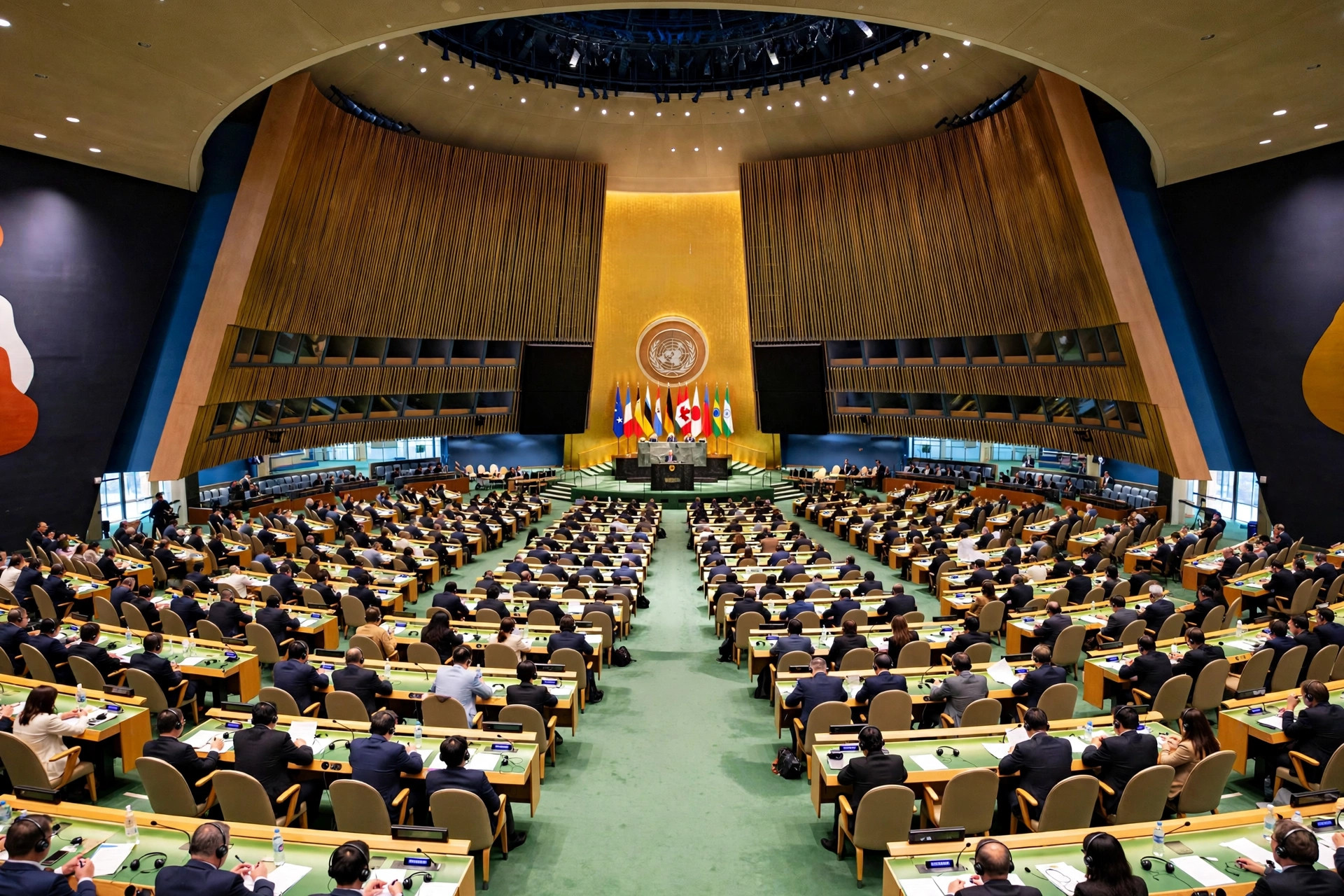
TROMSØ, NORWAY — As geopolitical shifts continue to ripple across the globe, the Arctic Council finds itself navigating one of the most delicate periods in its history. Founded in 1996 through the Ottawa Declaration, the intergovernmental forum was originally designed to foster cooperation on environmental protection and sustainable development in the Far North. However, looking toward the arctic council 2026 presidency cycles and strategic adjustments, international observers note that the body faces profound systemic tests that challenge its foundational mandate.
The Arctic Council brings together the eight circumpolar nations: Canada, Denmark (including Greenland and the Faroe Islands), Finland, Iceland, Norway, the Russian Federation, Sweden, and the United States. For decades, the region was widely celebrated as a zone of "low tension and high cooperation," largely insulated from broader international conflicts. Scientific collaboration, search-and-rescue agreements, and indigenous community partnerships flourished under the council's working groups. Yet, the realities of modern geopolitics have significantly altered this cooperative landscape.
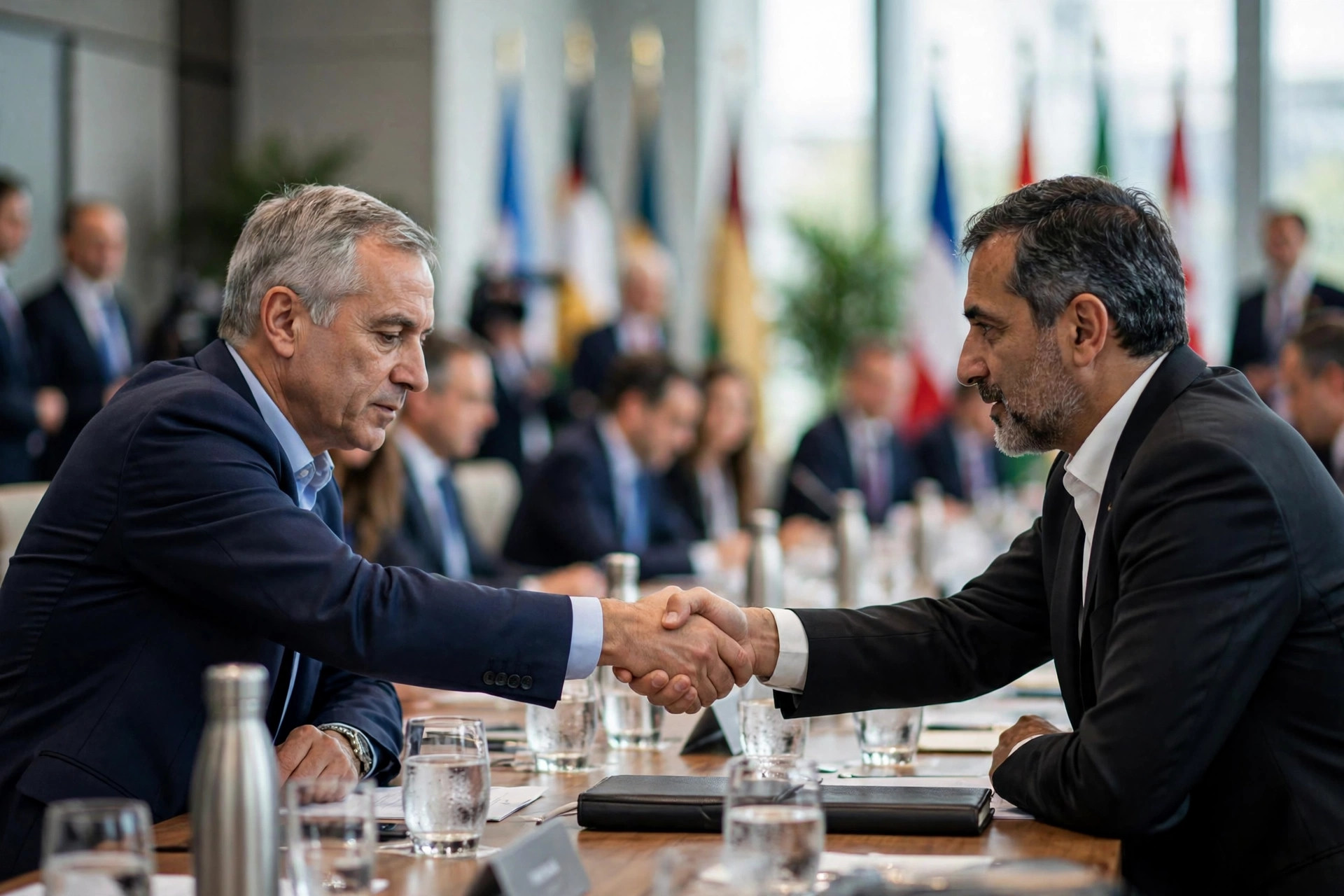
The Evolution of Arctic Governance Amid Global Tensions
The structural integrity of the forum was deeply tested following the geopolitical rupture in 2022. Member states initially paused formal ministerial participation, leading to a temporary halt in traditional consensus-building. While low- and mid-level working groups subsequently resumed virtual operations to address urgent ecological and scientific matters, high-level diplomatic stagnation remains a persistent concern for regional stakeholders.
Analysts examining the trajectory of the arctic council critical issues point out that environmental pressures do not pause for geopolitical disputes. Climate change continues to warm the Arctic at roughly four times the global average. This rapid environmental transformation brings urgent challenges, including:
- Accelerating melting of sea ice and permafrost degradation, threatening indigenous infrastructure and global sea-level stability.
- Increased commercial shipping interest along northern maritime routes, raising environmental and maritime safety stakes.
- Shifting marine ecosystems that impact regional fisheries, traditional subsistence hunting, and biodiversity.
- Resource exploration pressures as previously inaccessible mineral and energy reserves become technically reachable.
Because these challenges are inherently transboundary, the functional continuation of scientific data-sharing is viewed by diplomats as essential. Without coordinated circumpolar monitoring, tracking global climate feedback loops becomes exponentially more difficult.
Shifting Chairmanships and Regional Priorities
Leadership of the council rotates biennially among the member states. Norway’s stewardship, which emphasized oceans, climate, and sustainable economic development, paved the way for subsequent regional planning. As governance transitions move forward through the mid-2020s, participating nations are forced to balance national security imperatives with the pressing need for multilateral environmental stewardship.
Permanent Participants—organizations representing indigenous peoples of the Arctic—have consistently advocated for maintaining the council as a space for constructive dialogue. Indigenous leadership remains a cornerstone of the forum, ensuring that local communities retain a powerful voice in decisions affecting their ancestral lands and traditional livelihoods.
Observers note that while traditional security matters such as military build-up and naval patrols are formally excluded from the council's mandate by the Ottawa Declaration, they inevitably cast a long shadow over civil cooperation. Consequently, member states must continuously recalibrate how to address ecological emergencies without violating institutional boundaries.
Key Takeaways for the Future of Circumpolar Cooperation
As the international community assesses the path ahead for northern governance, several critical themes emerge regarding the resilience and adaptability of circumpolar institutions:
- Science Diplomacy Remains Vital: Despite broader diplomatic freezes, academic and scientific networks continue to exchange essential climate data, proving indispensable for global meteorological and environmental models.
- Indigenous Representation is Non-Negotiable: The inclusion of Permanent Participants ensures that human rights, traditional knowledge, and community resilience remain central to any regional policy framework.
- Balancing Security and Ecology: Nations must carefully separate competitive geopolitical posturing from urgent scientific imperatives to prevent ecological mismanagement in a fragile ecosystem.
- Institutional Flexibility: The long-term survival of the forum depends on its ability to adapt administrative procedures to unprecedented global political realities.
What to Watch Next
As diplomatic delegations prepare for upcoming ministerial meetings and strategic reviews, stakeholders will be closely monitoring several key indicators:
- The degree of consensus achieved within specialized working groups on pressing climate and biodiversity initiatives.
- How incoming leadership states manage diplomatic friction while maintaining the core objectives of the Ottawa Declaration.
- The evolution of cross-border scientific partnerships amid broader international trade and security alignments.
- New policy frameworks introduced by indigenous organizations regarding regional adaptation and sustainable economic transitions.