
The global landscape of cybersecurity governance is undergoing a profound transformation as international frameworks adapt to an increasingly borderless digital threat matrix. Central to this evolution is the ongoing implementation and operationalization associated with the cybercrime treaty 2026 initiatives, a landmark multilateral effort designed to harmonize legal approaches to digital offenses. As nations grapple with sophisticated ransomware campaigns, state-sponsored corporate espionage, and transnational data theft, understanding the cybercrime treaty key provisions has become essential for policymakers, legal experts, and enterprise security leaders alike.
The Evolution of Multilateral Cyber Diplomacy
For decades, international cooperation on cybercrime was hindered by fragmented legal definitions, incompatible extradition laws, and divergent approaches to digital privacy. Traditional mutual legal assistance treaties (MLATs) often proved too slow to address fast-moving digital crimes, where servers can be located in one jurisdiction, perpetrators in another, and victims scattered globally. The push toward a cohesive international agreement reflects a growing consensus that cybercriminals routinely exploit these jurisdictional seams.
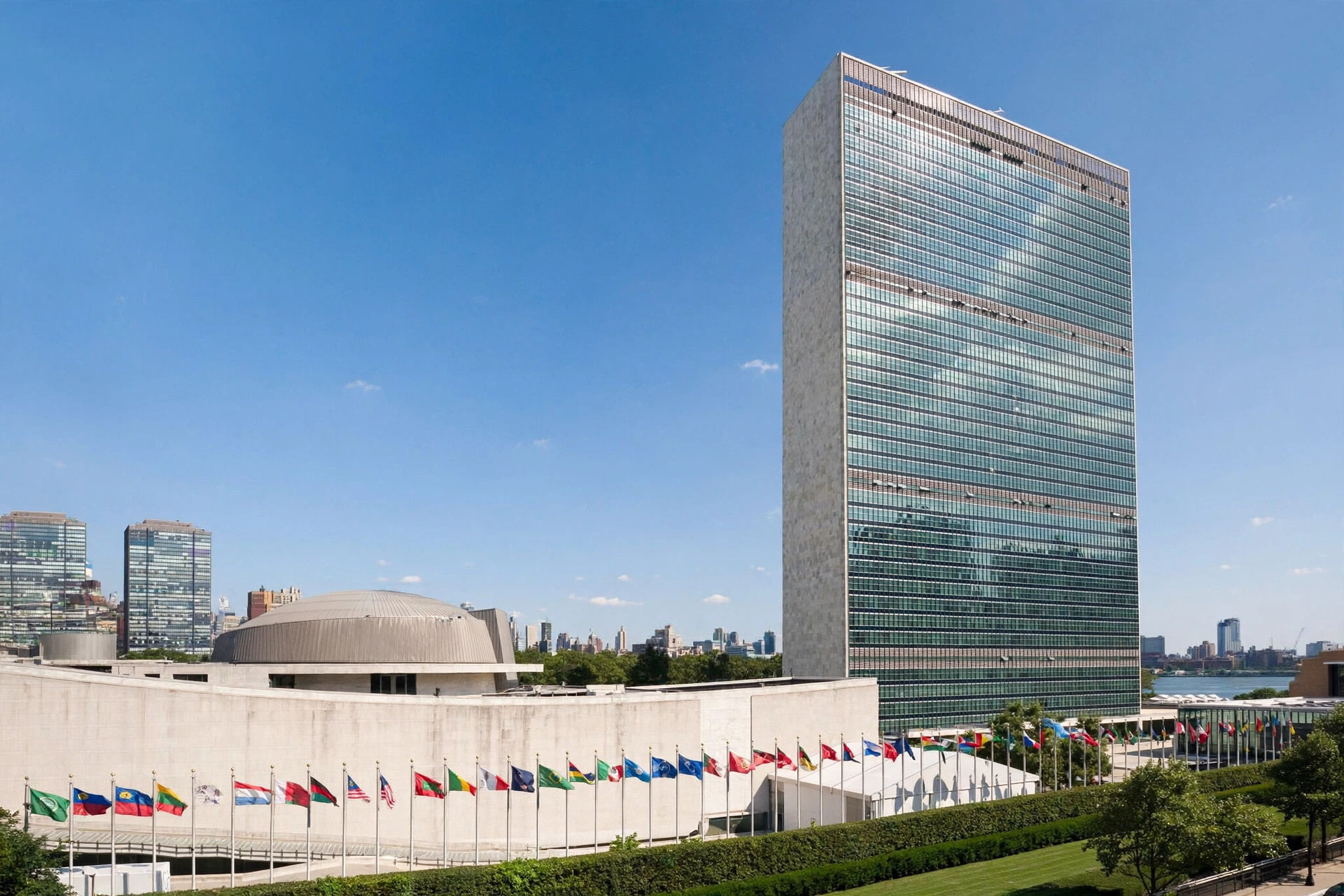
Observers note that the journey toward comprehensive global standards has been marked by intense diplomatic negotiations. Governments have had to balance the imperative of effective law enforcement with robust protections for human rights, freedom of expression, and data privacy. As the provisions of the cybercrime treaty 2026 framework take clearer shape, attention has shifted from high-level diplomatic compromises to the practical realities of domestic legislative alignment and cross-border cooperation mechanisms.
Core Pillars and Operational Mechanisms
At the heart of these multilateral frameworks lie several foundational components designed to streamline how nations investigate and prosecute digital offenses. Legal scholars and international relations analysts emphasize that the efficacy of the treaty hinges on several critical areas:
- Harmonized Criminal Offenses: Establishing baseline definitions for core cybercrimes—such as illegal access, system interference, data interception, and computer-facilitated fraud—ensures that participating states share a common legal vocabulary.
- Streamlined Mutual Legal Assistance: The agreements aim to accelerate the sharing of electronic evidence. This includes modernized procedures for preserving computer data expeditiously, preventing the deletion or alteration of vital digital trails during preliminary investigations.
- Jurisdictional Cooperation: Clearer rules regarding concurrent jurisdiction help resolve conflicts when multiple nations have a legitimate interest in prosecuting the same transnational cybercriminal network.
- Capacity Building and Technical Assistance: Recognizing the disparities in technological readiness between nations, the framework emphasizes sharing technical expertise and resources to help developing countries strengthen their domestic cybersecurity postures.
- Standardization is Accelerating: National legislatures are increasingly amending domestic statutes to match globally recognized definitions of digital offenses, reducing safe havens for cybercriminals.
- Evidence Preservation is Paramount: New cross-border cooperation protocols place a premium on the rapid, legally compliant preservation of electronic data.
- Human Rights Remain a Focal Point: Ongoing debates over surveillance and privacy mean that implementation will be closely monitored by civil society organizations and legal watchdogs.
- Corporate Preparedness is Essential: Businesses must stay informed about changing mutual legal assistance frameworks to protect their networks and maintain compliance across diverse operating environments.
- Domestic ratification debates and legislative amendments in key signatory nations.
- The establishment of operational channels and contact points for 24/7 international law enforcement cooperation.
- Further guidance from legal experts on how private entities should handle cross-border data requests from foreign authorities.
- Continued dialogue between governments and civil society regarding privacy safeguards and independent oversight mechanisms.
Balancing Security and Human Rights
One of the most intensely debated aspects of international cybercrime negotiations involves the safeguarding of civil liberties. Critics and civil society organizations have consistently voiced concerns that overly broad definitions of cyber offenses or unchecked investigative powers could be misused to stifle dissent, curtail journalistic freedom, or conduct mass surveillance.
To address these apprehensions, contemporary regulatory frameworks increasingly incorporate explicit human rights safeguards. These provisions typically include requirements for dual criminality, robust judicial oversight for intrusive data-gathering measures, and protections aligned with international human rights law. The success of the cybercrime treaty 2026 implementation will largely be judged by how effectively signatory states maintain this delicate equilibrium between security imperatives and fundamental freedoms.
Implications for the Private Sector and Compliance
While treaties are fundamentally agreements between sovereign states, their downstream effects heavily impact multinational corporations, financial institutions, and critical infrastructure operators. As governments align their domestic laws with international standards, corporate compliance obligations are shifting.
Organizations operating across borders must navigate stricter requirements regarding incident reporting, data preservation during active investigations, and cooperation with law enforcement agencies. Legal advisors recommend that enterprises proactively review their data governance and incident response protocols to ensure seamless alignment with evolving international norms. Failure to anticipate these changes could expose organizations to regulatory penalties and operational friction during multi-jurisdictional security incidents.
“The true measure of any international cyber agreement is not found in the eloquence of its text, but in the speed, trust, and transparency with which sovereign states cooperate when a crisis strikes.”
Key Takeaways for Global Stakeholders
As the international community continues to digest the impact of these regulatory shifts, several vital insights emerge for stakeholders across the public and private sectors:
What to Watch Next
In the coming months, observers will be tracking several key developments to gauge the long-term viability and impact of these international efforts: