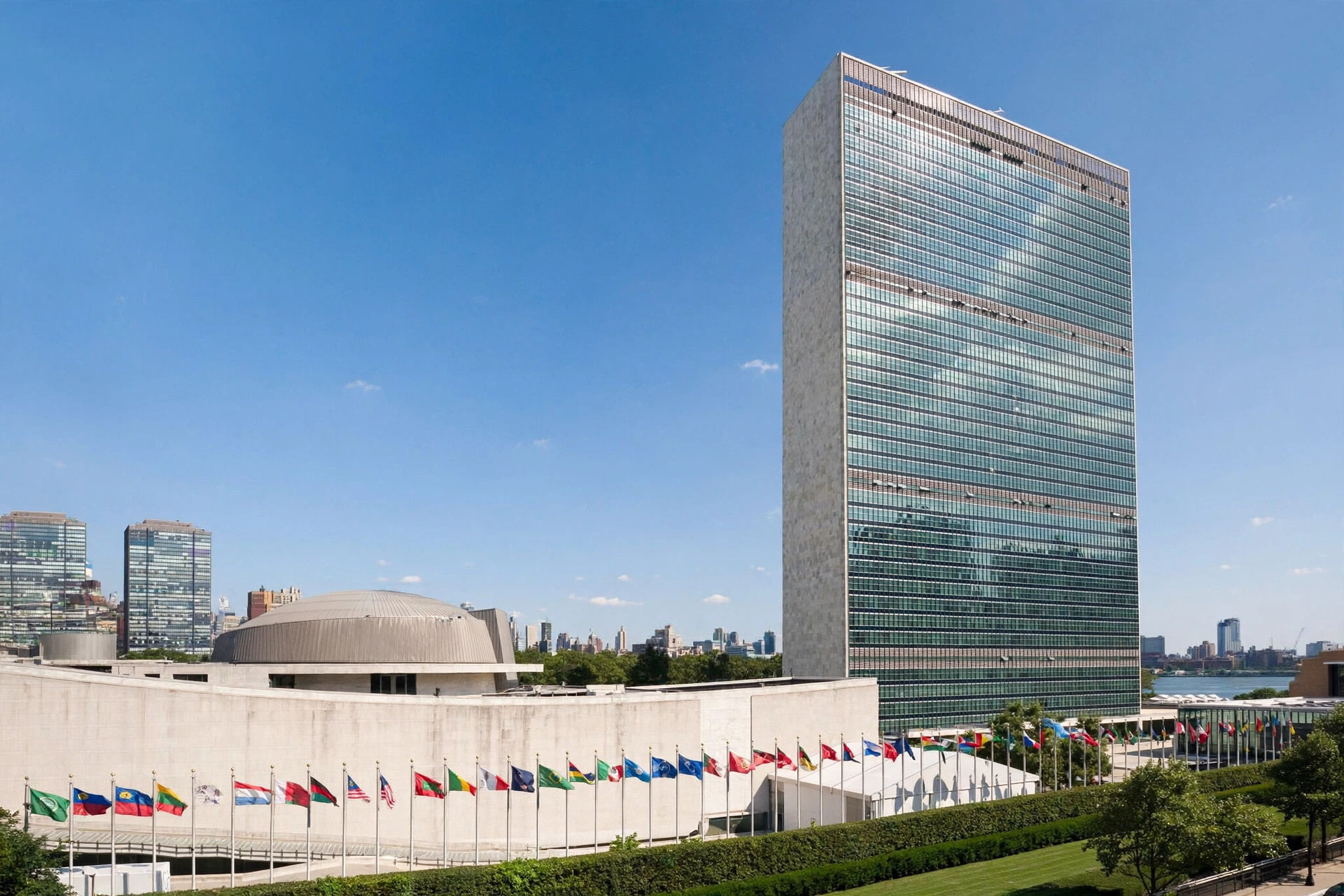
The architecture of international diplomacy is undergoing a structural realignment characterized by pragmatic transactionalism, regional bloc building, and the growing influence of non-aligned middle powers. As governments navigate the evolving landscape of diplomatic relations 2026, traditional post-Cold War frameworks are increasingly being supplemented—and in some arenas supplanted—by flexible, issue-specific coalitions designed to address immediate national security, economic, and technological priorities.
Rather than relying solely on universal consensus within legacy multilateral institutions, foreign ministries across the globe are turning toward targeted statecraft. Analysts tracking these developments emphasize that identifying the structural shifts in diplomatic relations key trends is essential for understanding how nations will manage cross-border crises, supply chain realignments, and shifting geopolitical balances over the coming decade.
The Shift from Multilateralism to Minilateralism
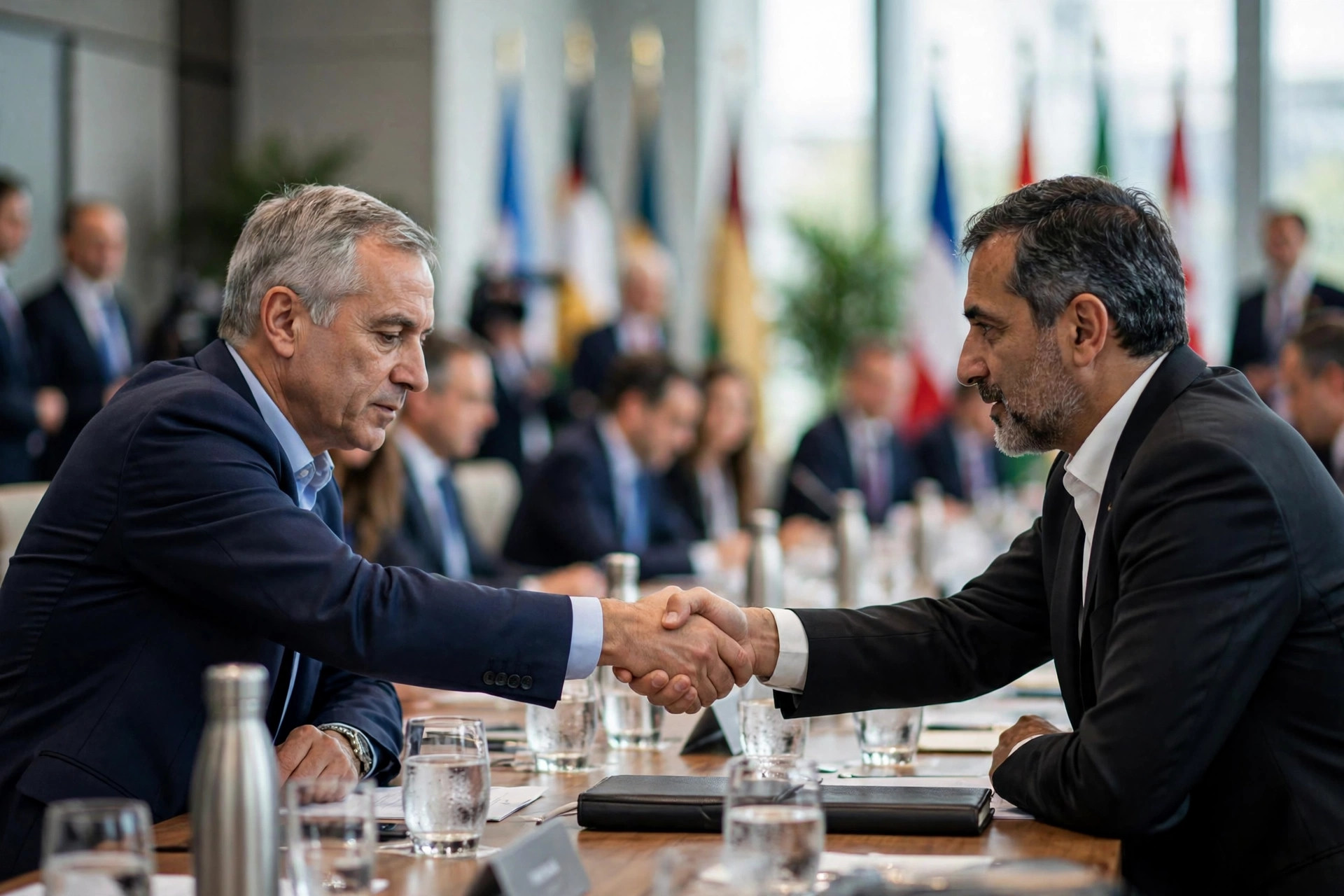
One of the most consequential patterns defining global diplomacy is the steady rise of "minilateral" frameworks. While universal bodies such as the United Nations remain indispensable for broad normative dialogue and humanitarian coordination, operational diplomacy is increasingly executed through smaller, agile groupings of states with shared strategic interests.
Diplomatic observers note that these mini-alliances allow states to bypass the gridlock that frequently paralyzes larger international forums. Whether focusing on maritime security, critical technology supply lines, or green infrastructure finance, states are showing a marked preference for compact treaties and working groups. This approach enables participants to move rapidly from diplomatic negotiation to implementation without demanding total ideological alignment on unrelated issues.
"Modern diplomacy is increasingly characterized by tactical partnerships rather than permanent, all-encompassing ideological blocs. States are learning to cooperate in one sector while actively competing in another."
This dynamic has introduced a more compartmentalized style of international statecraft. Countries are compartmentalizing their engagements, maintaining robust commercial ties with specific partners while simultaneously hedging against those same partners in security and intelligence domains.
Strategic Hedging and the Role of Middle Powers
Middle powers across the Middle East, Southeast Asia, Latin America, and Africa have emerged as central actors in shaping global affairs. Unlike previous geopolitical eras where intermediate states were pressured to choose firmly between competing superpowers, current diplomatic practice emphasizes multi-alignment and strategic autonomy.
Governments in regions such as the Gulf, South America, and the Association of Southeast Asian Nations (ASEAN) are actively leveraging their diplomatic relationships with major powers to maximize domestic economic advantage. By avoiding exclusive alliances, middle powers are securing favorable agreements across defense, energy transitions, and digital infrastructure investments. This diplomatic posture has effectively compelled larger powers to compete through constructive engagement and development finance rather than coercive diplomacy.
Furthermore, middle powers are increasingly serving as neutral intermediaries in conflict resolution and backchannel communications. Their expanding diplomatic capital has made regional summits critical venues where major powers engage in direct or indirect dialogue during periods of elevated tension.
Resource Diplomacy and Critical Supply Chains
Economic security has permanently integrated itself into the core of traditional foreign policy. Diplomats in 2026 are as likely to negotiate access to lithium, rare earth elements, and semiconductor manufacturing components as they are to negotiate arms control or territory.
Several distinct diplomatic priorities have emerged within this economic-security nexus:
- Critical Minerals Partnerships: Industrial nations are pursuing bilateral and plurilateral agreements with mineral-rich developing states, offering domestic value-addition and infrastructure funding in exchange for guaranteed raw material supplies.
- Technological Sovereignty and Standards: Bilateral negotiations increasingly focus on establishing shared regulatory standards for artificial intelligence, telecommunications networks, and cyber defense protocols.
- Energy Security Realignment: Diplomatic missions are heavily engaged in securing diversified energy portfolios, balancing conventional fossil fuel supplies with collaborative investments in hydrogen, nuclear power, and renewable grid integration.
Consequently, the traditional separation between commercial trade representation and political statecraft has eroded. Embassies and consular networks now routinely house specialized envoys focused exclusively on supply chain resilience and emerging technologies.
The Assertive Global South and Institutional Reform
The collective influence of developing and emerging economies—often categorized broadly as the Global South—has established a persistent demand for structural reform within global governance institutions. Expanding forums, including enlarged iterations of BRICS and elevated regional platforms such as the African Union within major summitry, reflect an enduring pressure on existing financial and political institutions to reflect current demographic and economic realities.
Diplomatic agendas from these nations are focused on debt restructuring mechanisms, climate adaptation finance, and more representative voting allocations within international financial organizations. Analysts suggest that if established institutions fail to accommodate these demands, alternative bilateral financing mechanisms and regional development banks will continue to capture an increasing share of international development sovereign lending.
Key Takeaways for International Statecraft
A synthesis of ongoing structural movements reveals several defining elements of the contemporary diplomatic environment:
- Pragmatic Bilateralism: Ideological convergence is no longer a prerequisite for diplomatic engagement; state-to-state relations are guided primarily by practical mutual interest.
- Institutional Plurality: Traditional global institutions coexist with, and are challenged by, an expanding array of regional and issue-specific diplomatic forums.
- Intersection of Tech and Geopolitics: Technological leadership and secure access to advanced computing inputs have become foundational metrics of national diplomatic leverage.
- Resilient Non-Alignment: A significant portion of the international community actively refuses to be drawn into binary bloc politics, creating a more distributed and balanced international system.
What to Watch Next
Looking ahead, several critical milestones and developments will test the stability and adaptability of the international diplomatic system:
- Implementation of Global Tech Norms: Watch for whether disparate regional regulatory frameworks on artificial intelligence and cybersecurity can find common ground, or if technological bifurcation accelerates.
- Progress on Multilateral Financial Reforms: Observers will track whether upcoming global finance gatherings enact meaningful voting and lending reforms, determining whether emerging economies double down on parallel institutions.
- Regional De-escalation Mechanisms: In complex maritime and border flashpoints, monitor the effectiveness of newly negotiated crisis communication protocols and confidence-building measures established by regional diplomatic bodies.
- Climate Finance Commitments: The credibility of multilateral environmental diplomacy will hinge on whether developed economies deliver on long-standing adaptation funding targets to vulnerable nations.
Ultimately, international diplomacy is adjusting to an era characterized by distributed leverage and persistent competition. Successful statecraft will require foreign services to balance national resilience with flexible coalitions, maintaining open diplomatic channels even amid systemic disagreement.