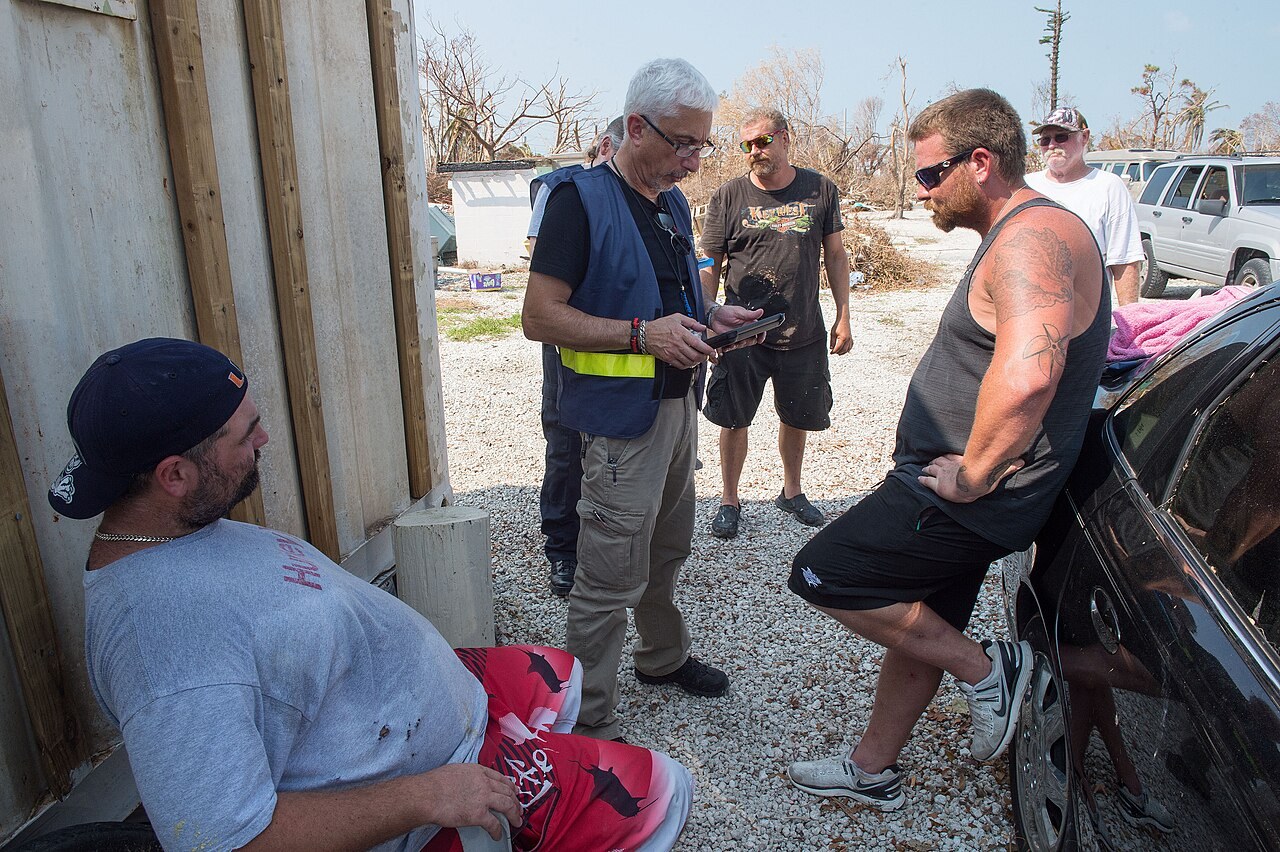
GENEVA — The global humanitarian architecture is facing unprecedented pressure as complex emergencies, accelerating climate shocks, and protracted conflicts intersect. As international agencies, governments, and non-governmental organizations evaluate the landscape of humanitarian operations, the framework for disaster relief 2026 reflects both hard-won operational adaptations and persistent structural vulnerabilities.
Humanitarian organizations are dealing with crises that are no longer episodic or isolated. Instead, disaster response coordinators report dealing with compounding events—where extreme weather disasters strike regions already destabilized by socioeconomic fragility or armed conflict. This shifting baseline has forced a fundamental rethink of how emergency aid is financed, distributed, and governed worldwide.

Compounding Crises and the Demand for Structural Shifts
For decades, traditional emergency intervention relied on a reactive model: an acute disaster occurs, an international appeal is launched, and external aid agencies deploy personnel and supplies. However, humanitarian analysts argue that this blueprint is increasingly unsustainable under current global conditions.
The convergence of recurrent droughts, unprecedented urban flooding, and localized unrest has created prolonged displacement crises. According to international humanitarian monitors, the timeline between acute onset disasters has compressed significantly, leaving communities little to no recovery window before the next emergency hits. Consequently, the distinction between short-term disaster intervention and long-term development assistance continues to blur.
"The reality facing modern response teams is that emergencies no longer arrive in isolation. Humanitarian response must adapt to systems of recurring, overlapping vulnerability rather than treating each event as an unexpected shock."
Anticipatory Action Takes Center Stage
One of the most consequential developments shaping disaster relief operations is the mainstreaming of anticipatory action, often referred to as forecast-based financing. Rather than mobilizing resources solely after disaster strikes, agencies are increasingly releasing pre-allocated funding when predictive models indicate a high probability of catastrophe.
Early-warning systems powered by high-resolution meteorological models, river-basin sensors, and satellite earth observation allow humanitarian actors to initiate protective measures days or weeks before an event reaches its peak. Examples include distributing cash grants prior to an anticipated flood, reinforcing vital community infrastructure, or pre-positioning water-purification equipment in areas projected to suffer cholera outbreaks.
Reports from multilateral development institutions suggest that every dollar allocated to proactive readiness can save multiple dollars in post-disaster recovery, while significantly preserving human life and local economic assets.
The Push for Genuine Localization
Another focal point in the evaluation of disaster relief key strategies is the ongoing transfer of operational authority and funding directly to local organizations. While the international community pledged to localize aid through the Grand Bargain framework years ago, progress was historically slow. Recent operational imperatives have accelerated this transition.
Local non-governmental organizations, municipal councils, and community-led groups are universally the first to respond when disasters happen. They hold geographic knowledge, cultural literacy, and community trust that external agencies cannot easily replicate. Recent operational reviews highlight several ways localization is expanding:
- Direct flexible funding: Donors are gradually opening pathways for local civil society organizations to access direct, multi-year funding rather than working exclusively as sub-contractors to international bodies.
- Leadership in coordination clusters: Grassroots and municipal representatives are taking more prominent roles in co-leading regional coordination mechanisms alongside United Nations agencies.
- Locally sourced supply chains: Humanitarian logistics networks are emphasizing regional and national procurement, reducing the carbon footprint of emergency relief and keeping capital circulating within affected economies.
Technological Integration in Logistics and Communication
Technology continues to redefine the mechanics of frontline delivery. In remote and contested operating environments, automated systems and decentralized tools have moved from experimental pilot programs into standardized operational protocols.
Unmanned aerial vehicles (drones) are now routinely deployed for rapid damage assessment, mapping impassable terrain, and delivering critical medical supplies to isolated communities. Simultaneously, low-Earth-orbit satellite networks provide reliable internet connectivity within hours of ground infrastructure being leveled, allowing emergency teams to coordinate real-time casualty tracking and asset distribution.
Digital cash transfers have also largely superseded direct commodity distribution in areas where local markets remain functional. Biometric and mobile-money systems enable disaster-affected populations to receive cash directly, preserving personal dignity and allowing individuals to address their immediate, self-determined needs.
Persistent Funding Gaps and Accountability Obstacles
Despite these tactical and technological innovations, humanitarian operations face a widening global deficit. International humanitarian appeals regularly face substantial shortfalls, as major traditional donor states deal with domestic fiscal constraints, political polarization, and competing international priorities.
This resource strain has made prioritization exceptionally acute. Humanitarian organizations are frequently forced to reduce rations, scale back health services, or prioritize only the most catastrophic life-threatening cases. As a result, non-traditional financing mechanisms—including catastrophe bonds, blended public-private finance, and regional risk-pooling mechanisms—are taking on greater prominence to absorb shocks.
Disaster Relief Key Takeaways
A synthesis of global operational trends highlights several defining realities for humanitarian response:
- Forecast over reaction: Anticipatory funding and early-warning mechanisms have demonstrated significant cost and life-saving efficiencies, solidifying their role in standard operational planning.
- Operational necessity of localization: Empowering local first responders is no longer just an ethical principle; it is an operational imperative driven by logistics, access challenges, and cost constraints.
- Digital delivery as standard: Mobile cash transfers and satellite-enabled logistics have established themselves as preferred interventions over bulk material distribution where market conditions allow.
- Acute structural underfunding: While global disaster risks are multiplying, traditional humanitarian assistance budgets remain flat or declining, forcing aid agencies to seek alternative financial architectures.
What to Watch Next
Moving forward, the primary focus for the international community will be the institutional integration of climate finance mechanisms with traditional humanitarian aid budgets. Analysts will closely monitor whether loss-and-damage funding arrangements can effectively disburse capital directly to frontline communities without bureaucratic delays.
Additionally, observers will track the development of international standards governing artificial intelligence in disaster coordination, particularly regarding data privacy, algorithmic bias, and the protection of vulnerable displaced populations. The balance between digital efficiency and humanitarian protection will remain a central debate among policymakers and relief practitioners alike.