
As the premier forum for international economic cooperation prepares to return to North America, the international community is closely monitoring the trajectory toward the G20 summit 2026. Hosted by the United States, the 2026 gathering represents a pivotal juncture for multilateralism, capping a historic multi-year cycle led consecutively by emerging economies—Indonesia, India, Brazil, and South Africa. This comprehensive G20 summit in-depth analysis explores the core economic challenges, diplomatic hurdles, and structural priorities facing member nations as they navigate an increasingly fractured global landscape.
A Strategic Transition in Global Economic Governance
The 2026 summit marks the beginning of the second full cycle of G20 presidencies since the leaders' format was established in response to the 2008 global financial crisis. For four consecutive years, the group's agenda was guided by the Global South, where development priorities, debt relief for low-income nations, and the expansion of the African Union's role were pushed to the center of global dialogue. As the gavel returns to Washington, policy analysts suggest the overarching objective will center on balancing traditional macroeconomic stabilization with the urgent demands of emerging markets.
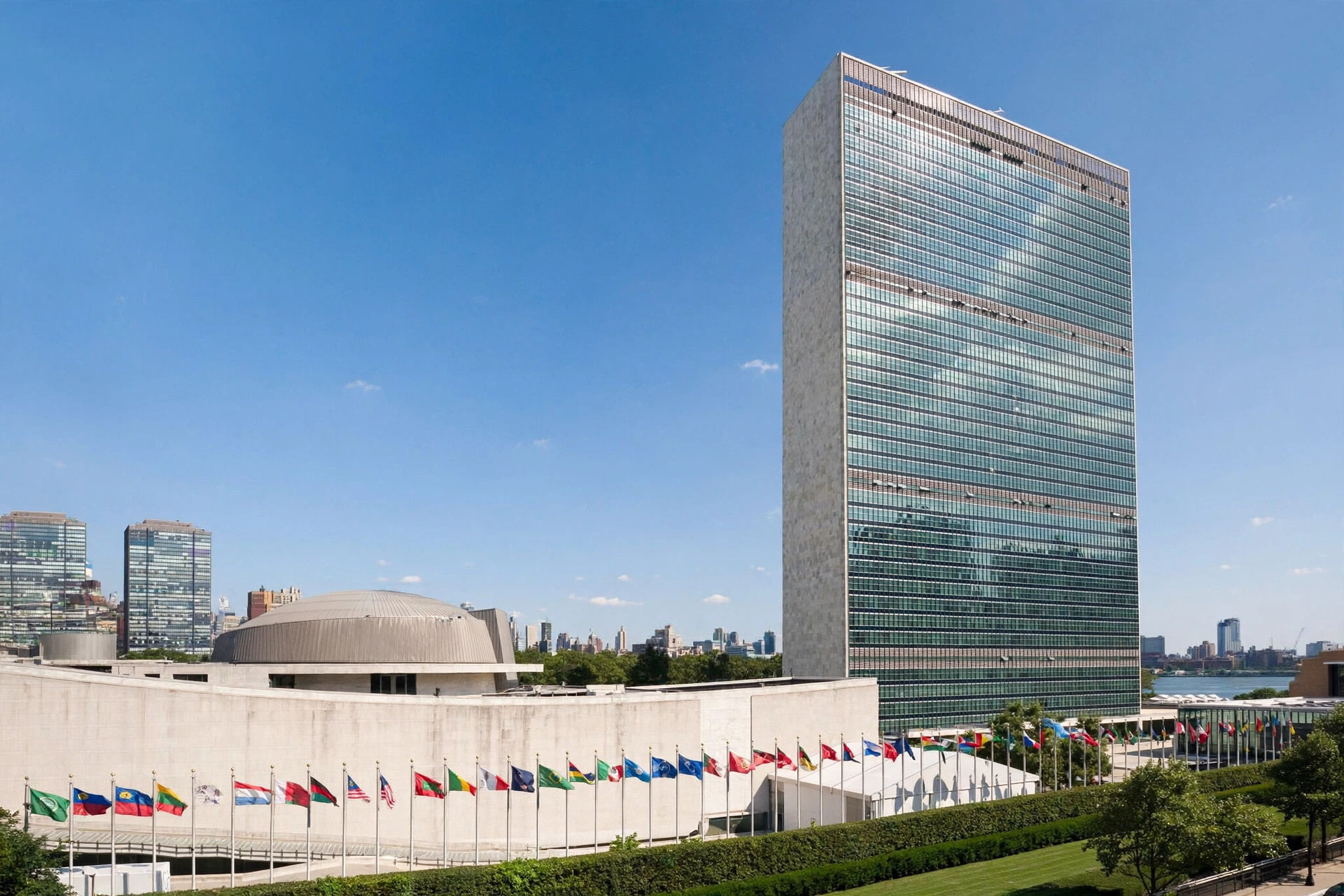
The geopolitical backdrop, however, remains profoundly complex. Strategic competition between the United States and China, enduring conflicts in Eastern Europe and the Middle East, and growing protectionist trade policies continue to strain consensus-based decision-making. Observers note that the institutional mechanisms of the G20—reliant on unanimous declarations—face unprecedented scrutiny regarding their efficacy and relevance.
"The fundamental challenge of modern economic statecraft lies in sustaining a shared baseline for stability while major powers engage in strategic recalibration across technology, trade, and energy networks."
Core Economic Priorities on the 2026 Agenda
While formal priorities are finalized through the Sherpa track and ministerial meetings, established macroeconomic trends indicate several non-negotiable agenda items for the leaders convening in 2026:
- Multilateral Development Bank (MDB) Modernization: Expanding the lending capacity of institutions like the World Bank and International Monetary Fund (IMF) remains an unfinished priority. Discussions focus on balance-sheet optimization, facilitating private capital mobilization, and ensuring concessional finance reaches climate-vulnerable nations.
- Sovereign Debt Restructuring: With elevated global interest rates exacerbating debt burdens across developing nations, the Common Framework for Debt Treatments continues to evolve slowly. The 2026 talks are expected to confront the need for faster, more transparent mechanisms involving both Paris Club creditors and nontraditional bilateral lenders.
- Global Supply Chain Resilience: Efforts to de-risk critical supply chains—spanning semiconductors, rare earth minerals, and pharmaceuticals—must be reconciled with the imperative to avoid outright trade decoupling that damages global growth.
- Fiscal Stability and Inflation Dynamics: Divergent monetary policies among major central banks present ongoing risks of capital flight, currency volatility, and uneven post-pandemic recovery patterns across G20 members.
The Digital Frontier: AI Governance and Cross-Border Standards
Unlike previous decades, when discussions focused predominantly on financial regulations and fiscal stimulus, the modern G20 agenda is increasingly defined by digital transformation. The rapid proliferation of generative artificial intelligence and frontier computing models has forced economic planners to evaluate systemic risks to labor markets, national security, and intellectual property.
Diplomatic sources emphasize that establishing shared norms for responsible AI deployment, cybersecurity standards, and cross-border data flows will be vital to preventing digital balkanization. While advanced industrial economies advocate for stringent safety benchmarks, developing economies frequently highlight the need for equitable access to digital infrastructure, compute capacity, and technological transfer.
Energy Transition and Climate Finance
Climate change and energy security remain twin pillars of G20 discourse, often reflecting ideological and economic divides between major hydrocarbon producers and import-dependent states. Building on previous commitments to triple global renewable energy capacity, the G20 summit 2026 is anticipated to place significant weight on the commercialization of clean technologies and the governance of carbon border adjustments.
A key friction point remains climate finance: the gap between the trillions required annually for emerging markets to decarbonize and the actual capital deployed by industrialized nations. Discussions are expected to center on risk-mitigation instruments, such as blended finance models and multilateral guarantees, designed to lower the cost of capital in emerging economies.
Structural Challenges to Consensus Building
Achieving a negotiated joint communiqué has become notoriously difficult in recent G20 cycles. Deep political divisions over regional conflicts and competing economic models have occasionally forced host nations to issue "chair’s summaries" rather than consensus statements. This institutional strain highlights several systemic dilemmas:
- Minilateralism vs. Universal Consensus: The rise of smaller, regional, or ideological coalitions (such as the G7, BRICS+, and regional security groupings) creates parallel forums that can dilute the G20's role as the primary steering committee for the global economy.
- Balancing Inclusivity and Agility: With the formal integration of the African Union, the G20 represents approximately 85 percent of global gross domestic product, 75 percent of international trade, and two-thirds of the world’s population. While this breadth ensures legitimacy, it also complicates negotiations on contentious economic policy.
- Implementation Deficits: Analysts consistently note that non-binding G20 declarations frequently lack robust enforcement mechanisms, leading to uneven follow-through once summit communiqués are adopted.
What to Watch Next
As the international diplomatic calendar progresses toward the summit, several critical milestones will indicate whether the G20 can deliver concrete outcomes or remain locked in procedural impasses:
- Ministerial Working Groups: The outcomes of the G20 Finance Ministers and Central Bank Governors meetings will signal the degree of convergence on debt relief and international taxation reform.
- Sherpa Negotiations: The drafting sessions led by personal representatives of the heads of state will reveal whether consensus language can be found on high-stakes geopolitical issues.
- Bilateral Side Meetings: Often overshadowing plenary sessions, formal bilateral dialogues between heads of state—particularly between Washington, Beijing, and New Delhi—will serve as a barometer for broader global economic stability.
- Engagement Groups: Recommendations from the Business 20 (B20), Civil 20 (C20), and Think 20 (T20) will provide vital input on private sector priorities and socioeconomic policy alternatives.
Ultimately, the success of the 2026 summit will depend on the capacity of member states to preserve core areas of economic cooperation even amid strategic divergence. Whether the forum can maintain its role as an indispensable platform for global coordination remains one of the defining questions of contemporary international statecraft.