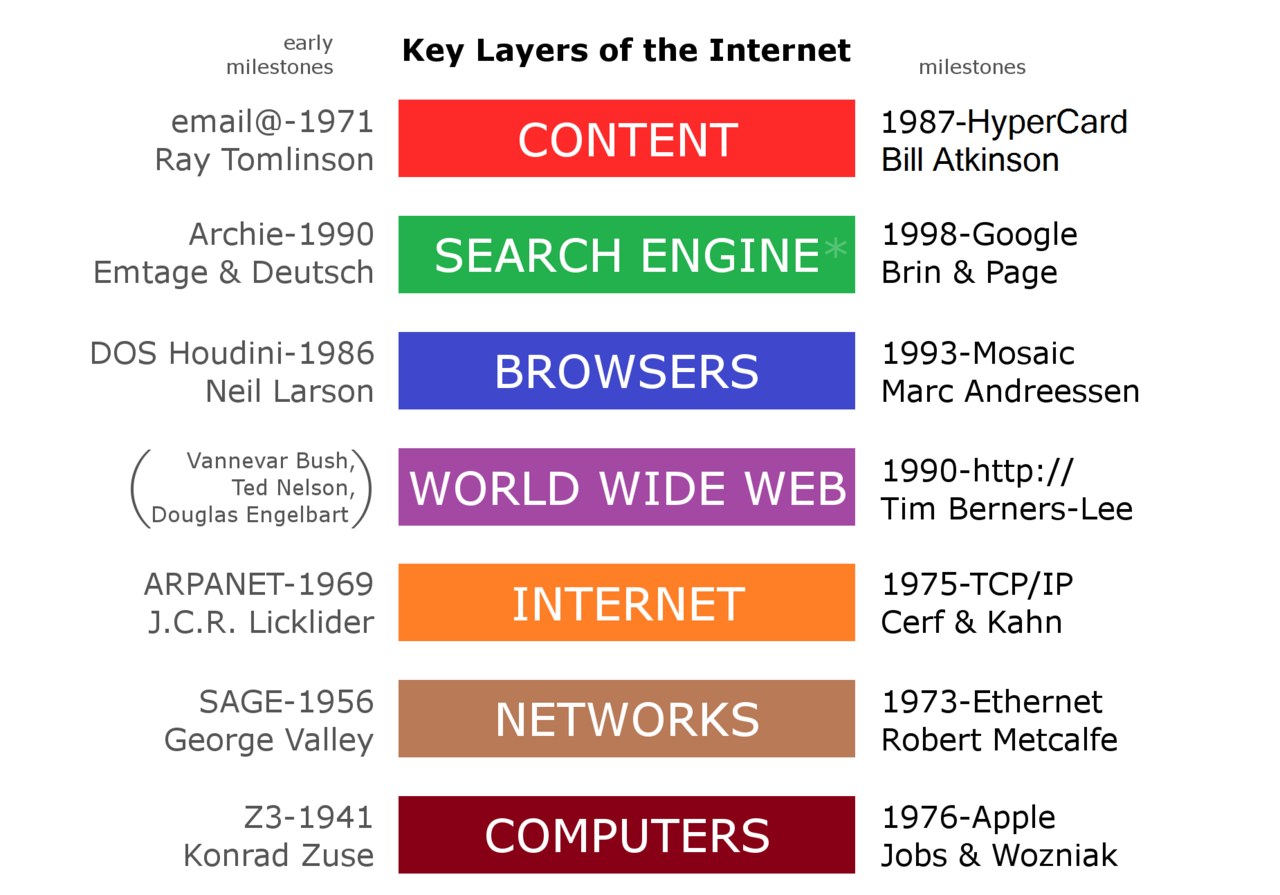
As the international community moves deeper into the decade, the landscape of global internet connectivity is experiencing a profound structural shift. The push toward universal connectivity has transitioned from a distant developmental goal into an immediate geopolitical and economic imperative. Reports suggest that while significant milestones have been achieved in connecting previously isolated regions, the definition of meaningful access is evolving rapidly, driven by emerging technologies, shifting regulatory frameworks, and intensifying competition among space and terrestrial infrastructure providers.
The pursuit of global internet access 2026 is no longer solely about bridging the basic digital divide—connecting remote villages to rudimentary 3G networks or dial-up-equivalent speeds. Instead, the focus has pivoted decisively toward high-capacity, resilient, and secure broadband that can support advanced digital economies, remote education, telemedicine, and artificial intelligence integration.
The Evolution of Satellite Megaconstellations
One of the most defining characteristics of modern connectivity trends is the maturation of low-Earth orbit (LEO) satellite constellations. Over the past several years, private aerospace firms and national space agencies have launched thousands of small satellites into orbit, fundamentally altering how remote and underserved populations connect to the worldwide web.
Analysts note that these LEO networks have successfully bypassed traditional geographical barriers that long made terrestrial fiber-optic deployment economically unviable in deep rural areas, mountainous terrains, and oceanic shipping lanes. However, this rapid orbital expansion has also sparked critical international debates regarding orbital congestion, space debris management, and radio astronomy interference. Regulatory bodies worldwide are currently grappling with the challenge of balancing the urgent demand for global internet 2026 capabilities with the long-term sustainability of the space environment.
Terrestrial Infrastructure and the Fiber Backbone
While satellite technology frequently captures headlines for its ability to reach the most isolated corners of the earth, terrestrial infrastructure remains the backbone of global internet traffic. Subsea cable systems—the unseen physical links that carry the vast majority of international data—are undergoing major upgrades and expansions.
New cable routes are being commissioned to diversify traffic away from traditional chokepoints, enhancing the overall resilience of the global network against natural disasters, physical sabotage, and technical failures. At the same time, national governments are heavily subsidizing domestic fiber-to-the-home (FTTH) projects to ensure that urban and suburban centers are equipped with the ultra-low latency required for next-generation industrial automation and smart-city applications.
Persistent Challenges: Affordability and the Digital Skills Gap
Despite hardware and infrastructure advancements, experts emphasize that mere physical coverage does not equate to true digital inclusion. The international community faces two major, interrelated hurdles as it evaluates the state of global internet access:
- Economic Affordability: In many developing economies, the cost of broadband data bundles remains prohibitively high relative to average household incomes. Governments and international financial institutions are exploring innovative subsidy models and public-private partnerships to lower consumer costs.
- Digital Literacy and Security: Access without the necessary skills to navigate the digital world safely can expose vulnerable populations to misinformation, fraud, and cyber threats. Educational initiatives focused on digital literacy are increasingly being integrated into national infrastructure rollouts.
Furthermore, regulatory fragmentation continues to pose a challenge. Issues surrounding data sovereignty, cross-border data flows, and state-imposed internet shutdowns or censorship create a complex patchwork of rules that international service providers must navigate. These policy divides often complicate efforts to establish truly seamless, open global communication networks.
Looking Ahead: Key Takeaways and What to Watch Next
As the international community continues to monitor these developments, several critical trends will dictate the trajectory of connectivity over the remainder of the decade. Policymakers, industry leaders, and civil society organizations will be closely tracking:
- Regulatory Harmonization: Watch for emerging international agreements or standards aimed at managing LEO satellite constellations and mitigating space debris while ensuring equitable spectrum allocation.
- Cost Reduction Models: Monitor the success of new public-private financing frameworks designed to make broadband affordable in lower-income regions.
- Security and Resilience: Pay attention to investments in backup terrestrial and alternative routing systems designed to protect global critical infrastructure against cyberattacks and physical disruptions.
Ultimately, achieving equitable global internet access remains a complex, multi-faceted challenge. While the technological tools available today far surpass those of previous decades, realizing a universally connected world will depend as much on international cooperation and sound economic policy as it does on engineering and innovation.