
As governments, scientific bodies, and environmental organizations prepare for critical international maritime negotiations, global attention is turning to the environmental commitments that will define the latter half of the decade. High-level discussions surrounding the ocean summit 2026 cycle represent a pivotal juncture for marine governance, focusing on ratifying landmark treaties, regulating deep-sea resources, and meeting biodiversity preservation targets. While such gatherings often appear confined to diplomatic halls, international policy shifts directly influence consumer supply chains, coastal resilience, energy transitions, and daily life around the world.
Understanding what this international ocean summit means for the average citizen requires examining how international environmental law moves from negotiation tables into national statutes, local supermarket aisles, and municipal planning offices. Across the globe, the health of marine ecosystems remains inextricably linked to economic stability, climate regulation, and food security.
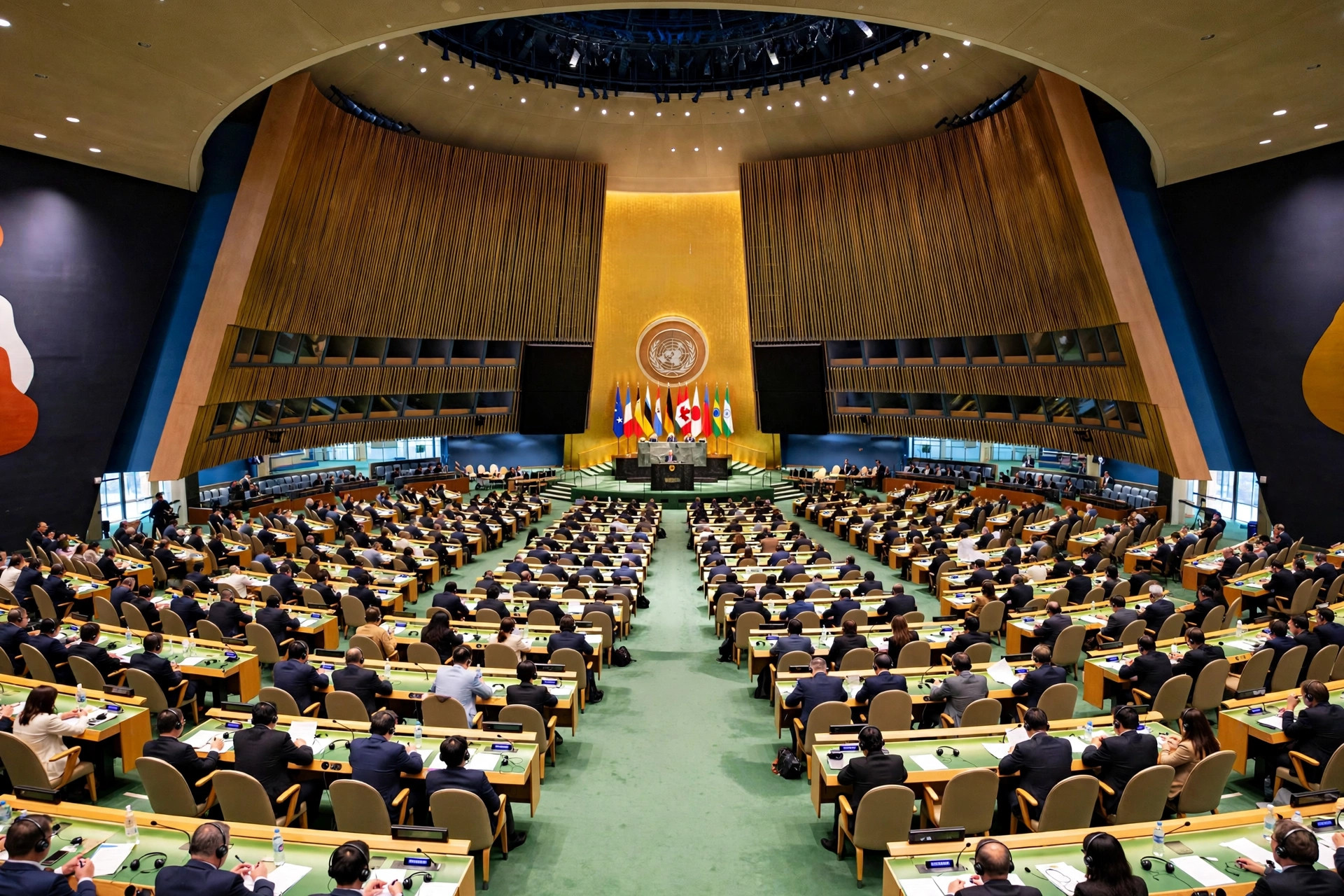
Bridging High-Level Diplomacy and Daily Realities
Multilateral ocean meetings are no longer focused solely on broad, non-binding declarations. Recent years have seen a transition toward legally binding frameworks, most notably the Agreement on the Conservation and Sustainable Use of Marine Biological Diversity of Areas Beyond National Jurisdiction (commonly known as the High Seas Treaty or BBNJ). Alongside efforts to meet the "30x30" target—protecting 30 percent of the world's land and sea by 2030 under the Kunming-Montreal Global Biodiversity Framework—the agenda for the ocean summit 2026 focuses heavily on execution, monitoring, and compliance.
When multilateral negotiators establish marine protected areas or set quotas on maritime activities, the repercussions quickly cascade into domestic economies. For households worldwide, these international agreements influence resource accessibility, local employment patterns, and the costs associated with international freight and goods.
International ocean governance is increasingly viewed not as a niche environmental issue, but as a central pillar of economic resilience and international supply chain security.
Seafood Supply Chains and Food Security
One of the clearest indicators of what the ocean summit means for everyday consumers lies in the global seafood market. Marine fisheries provide a vital source of protein for billions of people and support the livelihoods of hundreds of millions. However, illegal, unreported, and unregulated (IUU) fishing, combined with the migration of fish stocks caused by warming waters, has strained marine biomass globally.
Discussions surrounding the 2026 ocean milestones center on closing regulatory loopholes in international waters:
- Digital Traceability: Proposals advocate for standardized digital monitoring of commercial catches, ensuring that fish sold in grocery stores can be traced back to legally authorized vessels.
- Subsidy Reforms: Stricter implementation of World Trade Organization guidelines to reduce harmful government subsidies that encourage overfishing on the high seas.
- Sustainable Aquaculture: Setting international benchmarks to encourage environmentally sound fish-farming practices as wild catches reach their natural limits.
For consumers, these regulatory tightening measures can initially affect retail seafood prices, but analysts emphasize that failing to manage stocks sustainably risks severe collapses in global supplies, leading to far more drastic food price volatility over the long term.
Consumer Products and the Battle Against Plastics
Marine plastic pollution remains another central focus of global environmental summits. Diplomatic negotiations aiming to establish an internationally legally binding treaty on plastic pollution have direct implications for retail packaging, municipal waste management, and manufacturing standards.
Agreements coordinated around international ocean summits directly impact consumer choices by driving national legislation to phase out single-use plastics, require higher percentages of recycled materials in everyday products, and enforce extended producer responsibility (EPR) schemes. These regulations mean that manufacturers must bear the financial burden of managing the post-consumer waste of their goods, which incentivizes redesigned packaging, alternative materials, and deposit-return programs in cities worldwide.
Clean Energy, Critical Minerals, and Deep-Sea Governance
A contentious debate awaiting formal resolution in the lead-up to and during 2026 involves the prospect of commercial deep-sea mining. The seabed holds vast deposits of polymetallic nodules rich in nickel, cobalt, copper, and manganese—minerals that are central to manufacturing electric vehicle batteries, renewable energy infrastructure, and modern electronics.
The International Seabed Authority (ISA) has faced sustained diplomatic debate regarding whether to adopt an exploitation code that would permit mining in international waters or to implement a moratorium until ecological consequences are thoroughly understood. How diplomats approach this dilemma during the ocean summit 2026 cycle will directly shape the supply chains of the global energy transition.
If commercial exploitation is permitted, it could increase the availability of battery metals, potentially lowering the manufacturing cost of clean-energy technologies. Conversely, if delegates establish stringent protections or moratoriums, manufacturers will need to accelerate investments into circular battery recycling, land-based extraction efficiency, and alternative battery chemistries that avoid seabed minerals altogether.
Climate Resilience for Coastal Communities
More than 40 percent of the world’s population lives within 100 kilometers of a coast. The ocean serves as the planet’s primary climate stabilizer, having absorbed more than 90 percent of the excess heat generated by greenhouse gas emissions and roughly a quarter of human-generated carbon dioxide. This ecological service, however, comes with severe consequences, including ocean acidification, coral bleaching, and intensifying storm surges.
Key topics on the summit agenda address funding mechanisms for coastal protection and restoration, particularly for small island developing states and low-lying coastal regions. Diplomatic resolutions are increasingly allocating resources toward nature-based solutions, such as restoring mangrove forests, salt marshes, and kelp beds, which provide natural barriers against rising sea levels while storing carbon.
For coastal residents, these high-level deliberations influence whether regional governments receive the multilateral financial backing needed to upgrade seawalls, adapt stormwater drainage, and insure properties against extreme maritime weather events.
Challenges in Translating Commitments to Action
Despite ambitious goals, international ocean forums consistently confront structural hurdles. Treaties ratified on paper require substantial financial investments, satellite monitoring technologies, and naval enforcement to become effective realities. Developing economies frequently argue that high-income nations must provide technical assistance and climate financing to help them meet stringent conservation targets without undermining domestic growth.
Furthermore, geopolitical frictions can complicate marine boundaries and scientific collaboration. Ensuring that all major maritime powers consistently report emissions from global shipping and respect designated marine reserves remains a continuous diplomatic test.
What to Watch Next
As the timeline toward the ocean summit 2026 advances, several critical milestones will serve as indicators of tangible progress:
- Ratification Milestones: Tracking how many countries formally ratify the High Seas Treaty to reach the 60-state threshold required for legal enforcement.
- Plastics Treaty Finalization: Monitoring whether the final text of the global plastics agreement includes binding caps on virgin plastic production or focuses primarily on downstream waste management.
- Seabed Mining Votes: Key sessions of the International Seabed Authority will indicate whether commercial exploitation rules will advance or face extended suspensions.
- Shipping Decarbonization Rules: The International Maritime Organization's ongoing negotiations regarding net-zero targets and potential carbon pricing on maritime bunker fuel.
While the diplomacy takes place behind closed doors, its outcome determines the resilience of coastal cities, the pricing of essential goods, and the ecological security of the planet's largest shared resource.