
As humanity pushes deeper into the cosmos, the architecture of international relations is undergoing a profound transformation. The landscape of space cooperation 2026 reflects a delicate balance between fierce commercial competition and the absolute necessity of multilateral diplomacy. Navigating the orbital environment, managing lunar exploration frameworks, and establishing sustainable norms for satellite mega-constellations have emerged as critical tests for global governance.
Historically driven by Cold War rivalries, modern space endeavors are increasingly defined by diverse coalitions, private enterprise, and emerging spacefaring nations. Observers monitoring space cooperation key trends note that while geopolitical tensions on Earth occasionally spill over into orbit, the shared challenges of orbital debris, resource allocation, and deep-space safety continue to force nations to the negotiating table.
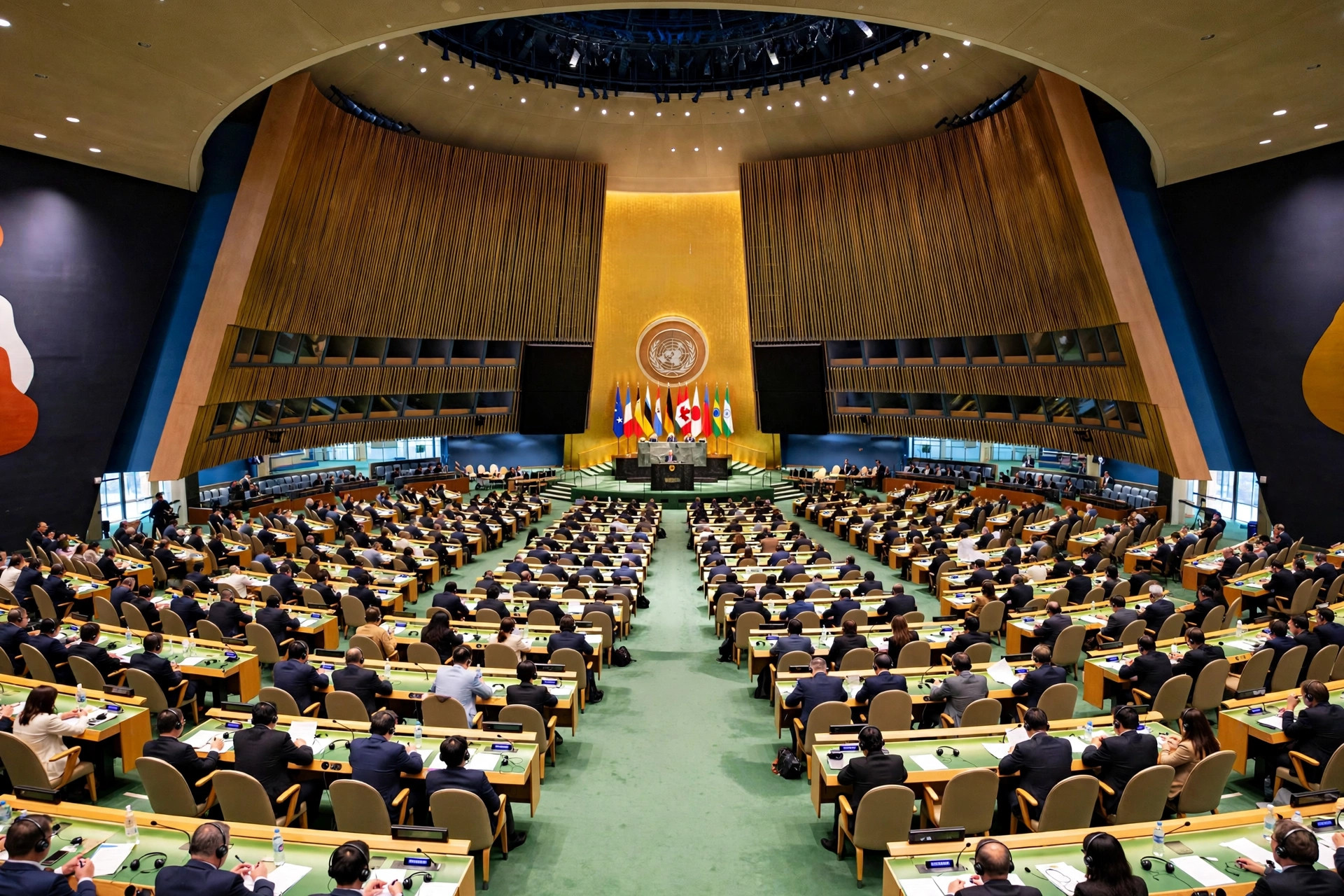
The Evolution of Multilateral Lunar Frameworks
The return to the Moon remains the primary driver of civil space diplomacy. As multiple nations and commercial entities target lunar landing sites, coordination has shifted from theoretical discussions to operational protocols. The Artemis Accords, which have steadily expanded their roster of signatories, continue to serve as a foundational US-led blueprint for transparent and peaceful lunar exploration.
Simultaneously, alternative frameworks championed by other major space powers emphasize distinct legal interpretations of the 1967 Outer Space Treaty, particularly regarding resource extraction and safety zones. Despite differing diplomatic approaches, technical working groups across international space agencies have quietly established communication channels to prevent surface interference and harmonize communication standards.
Analysts suggest that the success of lunar missions in the coming years will depend heavily on whether these competing normative frameworks can interoperate safely, particularly as crewed outposts transition from temporary visits to permanent habitation.
Commercialization and Regulatory Realities
The private sector’s rapid ascent has fundamentally reshaped global space dynamics. Commercial launch providers, private space station developers, and satellite internet providers now outpace traditional government-only timelines. This commercial boom has accelerated the need for updated international regulatory frameworks.
- Spectrum Allocation: Managing radio frequencies for tens of thousands of active communication satellites requires unprecedented global consensus through the International Telecommunication Union (ITU).
- Orbital Traffic Management (OTM): With low Earth orbit becoming increasingly crowded, governments and private operators are collaborating on shared databases to prevent catastrophic collisions.
- Export Controls and Technology Transfer: Balancing national security imperatives with the desire for multinational engineering partnerships remains a persistent diplomatic hurdle.
Industry stakeholders emphasize that regulatory fragmentation poses a major risk to innovation. Without unified standards for spacecraft design, end-of-life disposal, and liability, the commercial viability of low Earth orbit could be threatened by high insurance costs and regulatory compliance burdens.
Security, Dual-Use Tech, and Strategic Stability
As space becomes increasingly congested and contested, discussions surrounding space security have taken center stage. The militarization of orbit—ranging from anti-satellite weapon testing to sophisticated electronic jamming—has heightened strategic anxieties among major powers.
Diplomatic efforts at the United Nations have focused on establishing voluntary norms of responsible behavior. Measures such as pledges against destructive direct-ascent anti-satellite missile tests have gained traction, though comprehensive, legally binding arms control agreements in space remain elusive.
Experts analyzing global security trends point out that transparency is the most effective current tool for deterrence. Confidence-building measures, such as advance notification of major orbital maneuvers and regular dialogue between defense officials, are viewed as essential guardrails against miscalculation.
Key Takeaways for the Future of Global Orbital Governance
As the international community reflects on the state of orbital diplomacy, several definitive lessons and future trajectories have become clear:
- Interdependence Outweighs Isolation: No single nation, regardless of its technological prowess, can unilaterally manage the complexities of orbital debris tracking, deep-space communication networks, and planetary defense.
- Public-Private Partnerships are Standard: Government space agencies are no longer the sole architects of space policy; commercial entities must be integrated into regulatory and diplomatic frameworks from the outset.
- Sustainability is an Economic Imperative: Protecting the orbital environment is no longer just an environmental concern; it is a prerequisite for protecting trillions of dollars in global telecommunications, navigation, and Earth-observation infrastructure.
- Dual-Track Diplomacy: While high-level geopolitical rivalries create friction, technical-level cooperation among scientists, engineers, and mission operators continues to function as a vital diplomatic safety valve.
Ultimately, the trajectory of international space policy will depend on the willingness of global leaders to separate terrestrial disputes from the shared human endeavor of exploring the universe. As missions grow more complex and permanent settlements on other celestial bodies move closer to reality, the rules written today will govern humanity's expansion among the stars for generations to come.