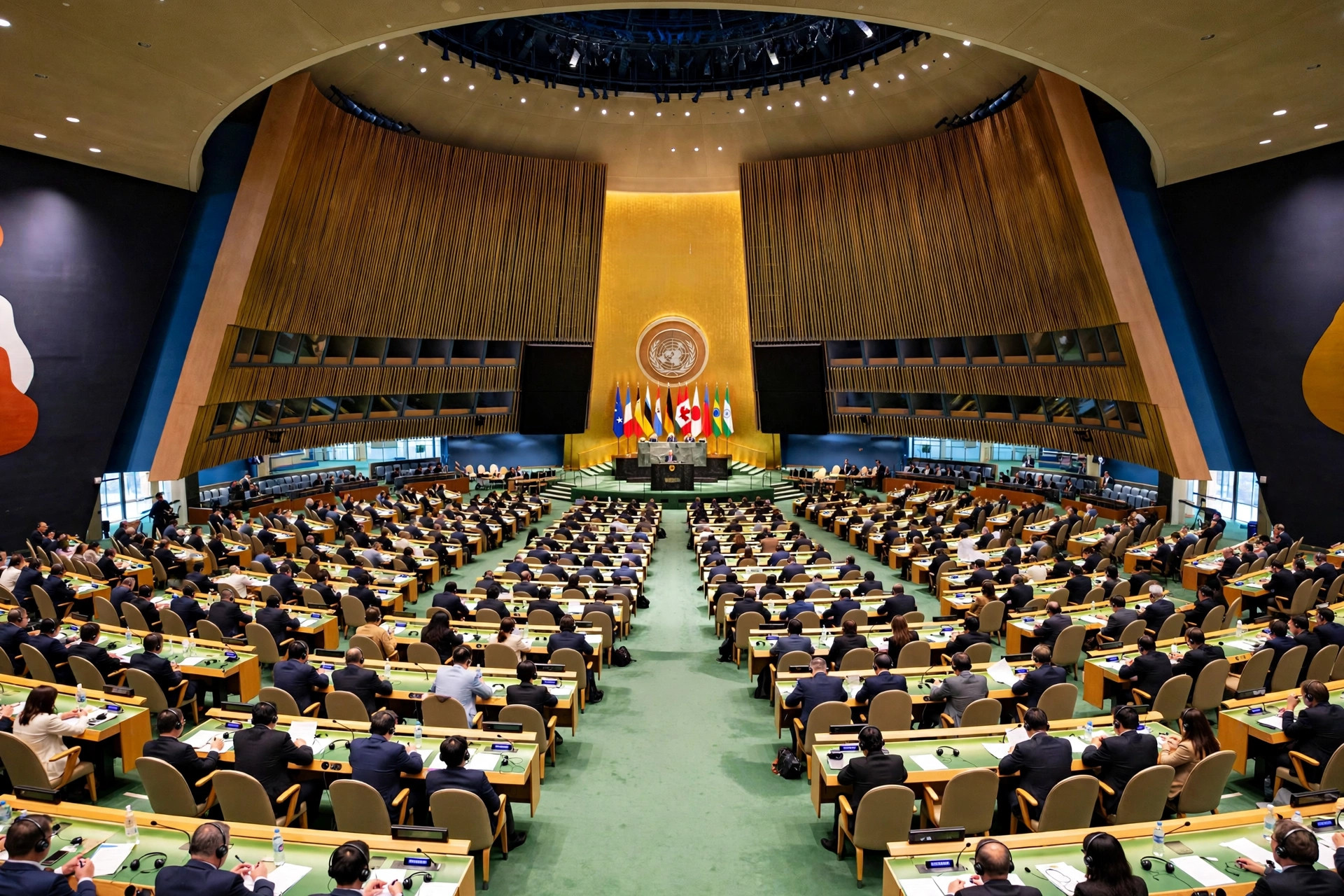
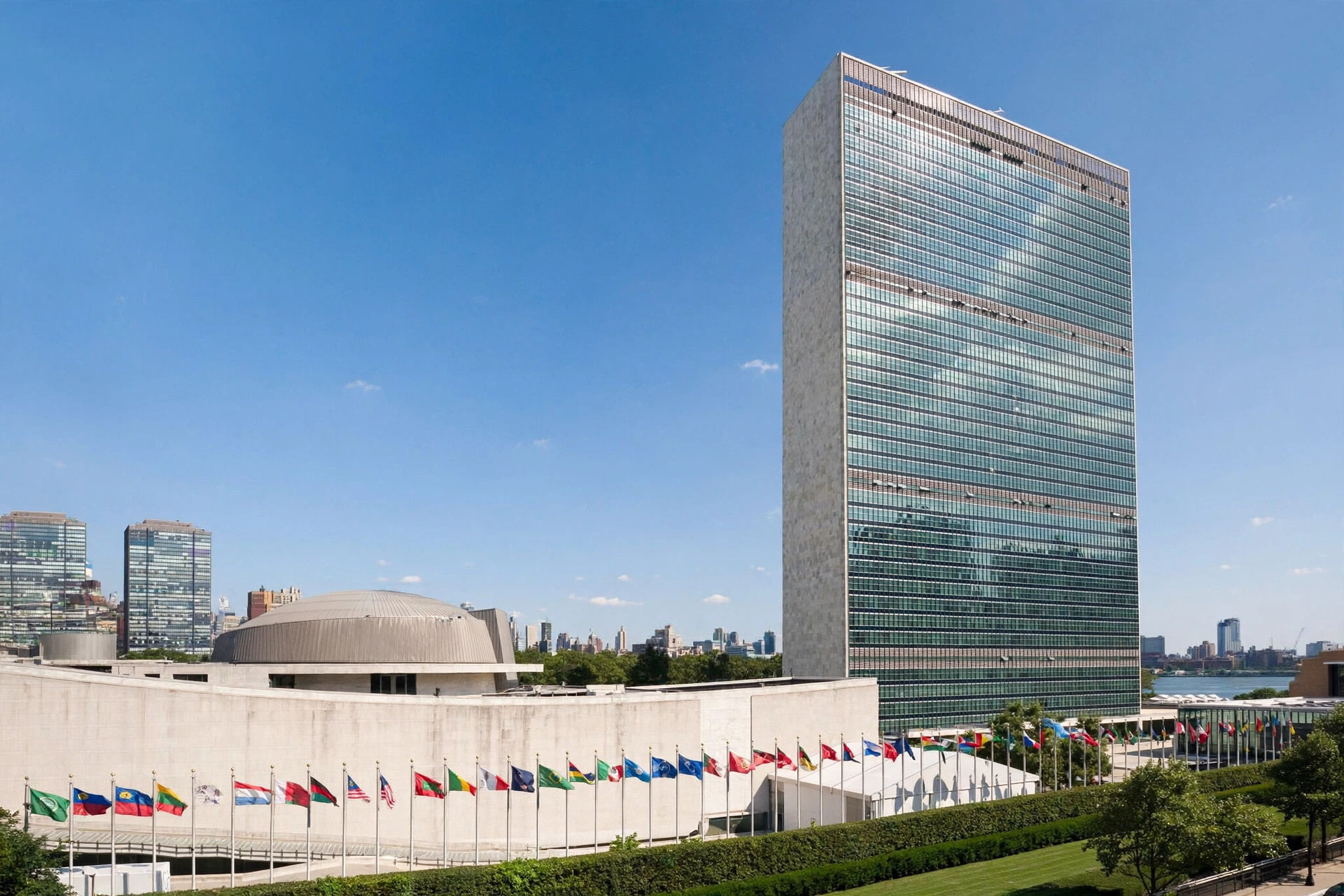
UNITED NATIONS — Following intensive weeks of plenary debates, committee resolutions, and side-event negotiations at the United Nations headquarters in New York, the international community has reached critical turning points on global governance. As multilateral institutions navigate acute geopolitical polarization, economic fragmentation, and compounding ecological crises, the General Assembly key outcomes reflect a concerted effort to prevent institutional gridlock while updating global systems for an increasingly complex era.
The high-level proceedings gathered heads of state, foreign ministers, and civil society leaders to address a crowded agenda dominated by sustainable development deadlines, climate accountability, digital technology regulation, and long-delayed institutional reforms. While political divisions across traditional blocs remained pronounced, observers point to several negotiated declarations and procedural advancements as evidence that multilateral channels continue to produce functional consensus on shared cross-border challenges.
Renewing Momentum on the 2030 Agenda and Debt Architecture
A primary focus of member states centered on the Sustainable Development Goals (SDGs), with the target deadline of 2030 rapidly approaching. Reports presented to the Assembly revealed that progress on poverty reduction, clean water access, and food security remains off-track globally, exacerbated by macroeconomic shocks and high borrowing costs for developing nations.
In response, delegations prioritized the reform of the international financial architecture. Discussions yielded renewed commitments toward expanding concessional lending through multilateral development banks, establishing more equitable sovereign debt restructuring frameworks, and addressing liquidity constraints faced by middle- and lower-income nations. Developing economies, particularly across Africa and Latin America, emphasized that structural debt distress continues to crowd out domestic investments in healthcare, education, and energy transition projects.
"Multilateral cooperation can no longer rely on mechanisms designed for the mid-twentieth century; systemic adjustments to international finance are necessary to sustain social development and political stability," delegates noted during the economic committee hearings.
The resulting economic resolutions stressed the necessity of bridging the multi-trillion-dollar annual SDG financing gap. While structural overhaul of institutions like the International Monetary Fund and the World Bank requires external board approvals, the Assembly's consensus signal provides political momentum to recalibrate global economic safety nets.
Digital Governance and Emerging Technologies
Building on previous agreements such as the Global Digital Compact, technology governance emerged as an essential pillar of the multilateral agenda. Member states engaged in detailed debates on establishing standardized safety protocols, preventing digital fragmentation, and addressing disparities in artificial intelligence (AI) readiness.
Among the major Assembly key outcomes was an expanded framework for international scientific exchange on AI safety and ethics. Delegations recognized that while artificial intelligence offers transformative potential for agriculture, healthcare diagnostics, and climate monitoring, unchecked proliferation risks widening technological divides between high-income economies and the Global South.
- Capacity-Building Initiatives: Endorsement of regional technology transfer initiatives aimed at enhancing computational infrastructure in underserved regions.
- Normative Guidelines: Support for multilateral working groups tasked with analyzing the impacts of automated systems on employment, public health misinformation, and humanitarian operations.
- Data Sovereignty and Access: Reaffirmation of balanced standards that protect user privacy while enabling developing nations to participate in the global digital economy.
Diplomatic sources noted that while regulatory philosophies differ significantly between major tech-producing nations and consumer nations, the consensus text preserved a universal platform for continued dialogue under UN auspices rather than allowing governance to fragment into purely regional blocs.
Climate Finance and Ecological Commitments
Environmental diplomacy remained a cornerstone of the Assembly key 2026 deliberations, with discussions designed to bridge commitments made at recent UN Climate Change Conferences with domestic policy realities. Delegations scrutinized current mitigation pledges, which broadly remain insufficient to restrict global temperature rise to the targeted 1.5-degree Celsius threshold.
Negotiations highlighted the operationalization of loss and damage mechanisms and the scaling of adaptation finance for vulnerable nations, particularly Small Island Developing States (SIDS). Delegates underscored that climate-induced weather extremes now impose recurrent fiscal shocks on economies least responsible for historical emissions.
The Assembly adopted several resolutions reinforcing the principle of common but differentiated responsibilities, urging industrialized nations to fulfill long-standing climate finance targets while expanding grant-based funding rather than loans that worsen sovereign debt. Furthermore, environmental working groups advanced frameworks linking terrestrial biodiversity protections with marine conservation, following through on oceanic governance treaties ratified in recent years.
Multilateral Reform and Peace Architecture
Discussions regarding global peace and security were conducted under the shadow of persistent regional conflicts and diplomatic deadlock within the UN Security Council. With the Council frequently paralyzed by vetoes among permanent members, the General Assembly continued to assert its mandate under historical mechanisms that allow the wider membership to deliberate on critical security crises.
Debates on Security Council reform saw sustained pressure from member states advocating for expanded permanent and non-permanent representation. Regional groups, particularly the African Union and the Group of Four (Brazil, Germany, India, and Japan), reiterated that the Council's current structure does not reflect contemporary geopolitical realities, undermining its credibility and enforcement capacity.
While formal charter amendments require the concurrence of all permanent members and complex domestic ratification processes, the Assembly adopted procedural steps to increase transparency. These include continued institutionalization of plenary debates whenever a veto is cast, obliging permanent members to justify their decisions before the entire global body.
Geopolitical Alignment and Minilateralism
Throughout the Assembly, analytical observers monitored how shifting geopolitical alignments impacted formal deliberations. The expanding influence of groupings such as the BRICS coalition and the G20, alongside regional alliances, demonstrated that states are increasingly relying on flexible multilateral formats to pursue national interests.
However, despite the growth of regionalism and "minilateral" initiatives, the consensus emerging from the plenary indicated that the United Nations remains an irreplaceable venue for establishing universal norms and codifying international law. Even states involved in diplomatic friction utilized Assembly committees to register positions, pursue back-channel communications, and secure multilateral mandates for humanitarian assistance.
What to Watch Next
As the resolutions move from the diplomatic floor to implementation, international observers and policy analysts will monitor several critical markers over the coming months:
- Financing Mechanism Deployment: Tracking whether donor nations translate multilateral commitments into actual budgetary outlays for international climate funds and the SDG financing facility.
- Operationalizing Tech Oversight: Monitoring the establishment and reporting schedules of the newly appointed international scientific panels on artificial intelligence and digital cooperation.
- Preparations for International Summits: Observing how the General Assembly's policy recommendations are incorporated into upcoming regional summits and international financial institution meetings.
- Intergovernmental Negotiations on Council Reform: Assessing whether the renewed procedural debates lead to text-based negotiations on UN Security Council restructuring during the current legislative session.
The formal outcomes confirm that while the global governance architecture faces profound stress, the General Assembly retains its role as the world's primary normative forum. The durability of the agreements reached will ultimately depend on domestic political will, the timely allocation of resources, and the capacity of member states to balance competing national strategic priorities with urgent collective interests.