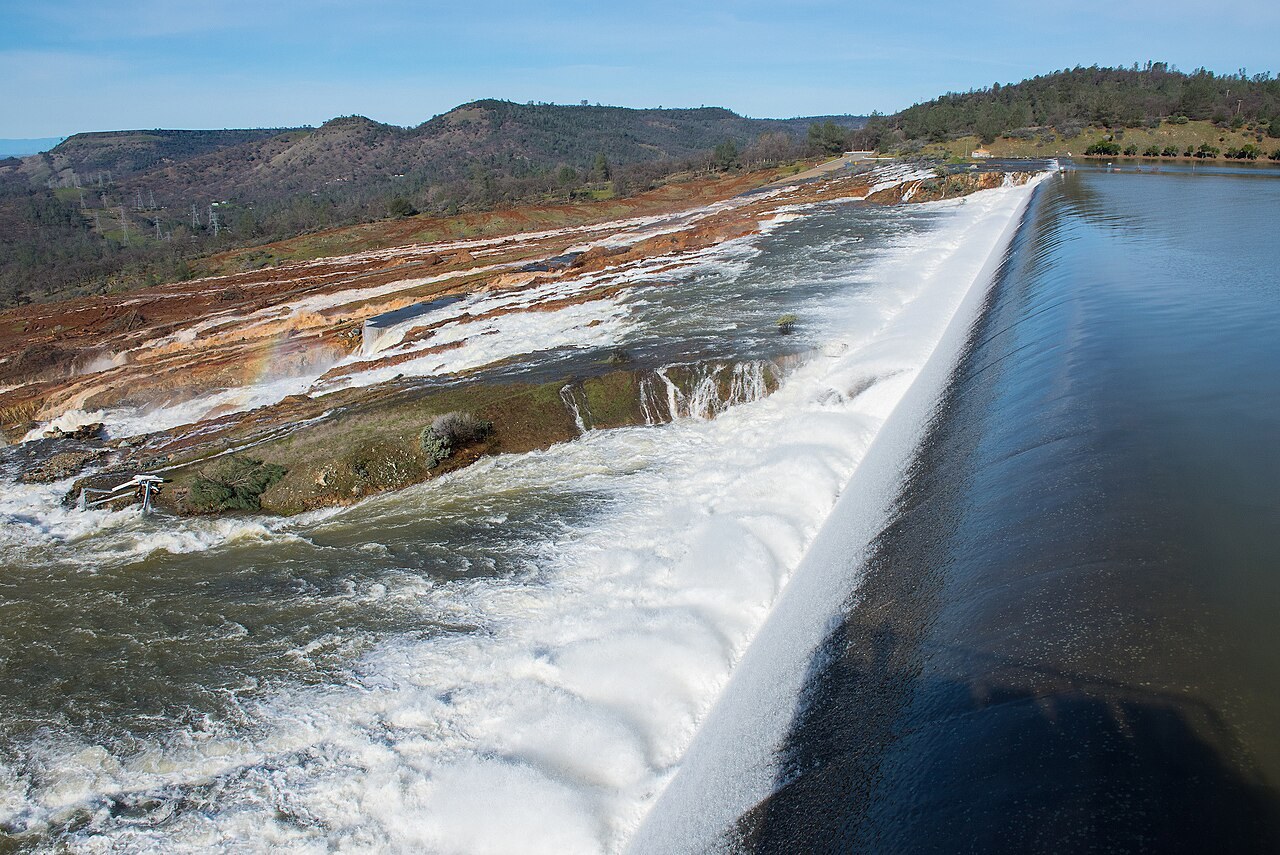
As the international community navigates the midpoint of the decade, systemic pressures on global hydrological systems have thrust the issue of resource security to the forefront of international affairs. The water crisis 2026 narrative has evolved from a series of localized environmental warnings into a comprehensive geopolitical, economic, and humanitarian challenge. Experts across various disciplines emphasize that freshwater scarcity is no longer an isolated phenomenon confined to traditionally arid regions; rather, it is a cascading global systemic risk influenced by climate variability, demographic shifts, aging infrastructure, and accelerating industrial demand.
The Anatomy of Modern Water Stress
At its core, the contemporary water shortage is characterized by a profound mismatch between the availability of clean, renewable freshwater and the exponential growth in demand driven by modern economies. Urban centers across multiple continents are expanding at a pace that far outstrips the capacity of local watersheds and municipal treatment facilities to supply them reliably.

Furthermore, agricultural systems—which account for the vast majority of global freshwater withdrawals—face mounting pressure to produce more food for a growing global population while operating under increasingly erratic precipitation patterns. Glacial melt in critical mountain ranges, decreasing snowpack, and prolonged multi-year droughts have severely depleted natural storage reservoirs that historically buffered communities against dry seasons.
Key Drivers of the Current Global Situation
- Climate Variability: Unpredictable monsoonal patterns, rising global temperatures, and extreme weather events intensify the cycle of severe floods and prolonged droughts, complicating catchment management.
- Infrastructure Deficits: Many municipal water networks in both developing and developed nations suffer from massive physical water losses—often referred to as non-revenue water—due to leaking pipes, outdated treatment plants, and inadequate monitoring systems.
- Pollution and Contamination: Industrial effluent, agricultural runoff containing fertilizers and pesticides, and untreated sewage continue to degrade surface water bodies and contaminate vital subterranean aquifers.
- Transboundary Governance Challenges: Shared river basins and transboundary aquifers frequently become flashpoints for diplomatic tension as upstream nations construct dams and alter flow regimes without securing downstream consensus.
Regional Disparities and Economic Vulnerability
The impact of this ongoing crisis is profoundly uneven. While advanced economies possess the financial capital to invest in advanced technological solutions such as large-scale seawater desalination, deep-well drilling, and sophisticated water-recycling grids, developing regions frequently bear the brunt of the hardship.
In parts of South Asia, the Middle East, and Sub-Saharan Africa, diminishing groundwater tables threaten both rural livelihoods and urban drinking water security. The agricultural sector in these vulnerable zones is particularly exposed; when shallow wells run dry, smallholder farmers are often forced to invest in deeper, more costly extraction technologies or abandon agriculture altogether, fueling internal migration and urbanization pressures.
Economists note that persistent water stress creates a drag on national gross domestic product (GDP). Industries ranging from semiconductor manufacturing and energy production to textile fabrication and food processing require massive volumes of water. When supply chains are disrupted by rationing or structural shortages, corporate operational risks escalate, ultimately impacting global markets and consumer prices.
Technological Innovations and Policy Shifts
In response to these compounding challenges, governments, multilateral institutions, and private enterprises are reevaluating traditional approaches to resource management. The paradigm is slowly shifting from supply-side management—building more dams and digging deeper wells—to demand-side conservation, efficiency, and circular economy principles.
Water is no longer viewed merely as an infinite environmental amenity, but as a finite, high-value economic asset that requires rigorous cross-sectoral accounting and stewardship.
Key strategic shifts currently being implemented or evaluated globally include:
- Advanced Desalination and Reuse: Innovations in membrane technology and renewable-powered desalination are reducing the energy intensity and carbon footprint of treating brackish water and seawater. Simultaneously, "potable reuse" facilities—which purify wastewater to drinking-water standards—are gaining regulatory approval in major urban centers.
- Precision Agriculture: The adoption of drip irrigation, soil-moisture sensors, drought-resistant crop varieties, and satellite-based evapotranspiration monitoring allows farmers to optimize every drop of water applied to fields.
- Smart Water Grids: The integration of Internet of Things (IoT) sensors and artificial intelligence into municipal distribution networks enables real-time leak detection, pressure management, and automated demand response.
- Integrated Catchment Management: Policymakers are increasingly recognizing the need to manage entire river basins holistically, balancing the needs of ecosystems, agriculture, energy production, and human consumption.
Conclusion and Outlook: What to Watch Next
As discussions surrounding a comprehensive water crisis complete analysis demonstrate, securing a sustainable hydrological future requires unprecedented levels of international cooperation, technological innovation, and regulatory reform. Addressing these challenges will demand political will that transcends short-term electoral cycles and corporate balance sheets.
What to Watch Next
- International Treaties: Monitor upcoming bilateral and multilateral negotiations regarding the management of shared river basins in geopolitical hotspots.
- Technological Scalability: Track the commercial viability and regulatory acceptance of next-generation wastewater recycling plants and low-carbon desalination facilities.
- Agricultural Policy Reform: Observe how major agricultural economies adjust subsidies and water-rights allocation frameworks to incentivize conservation among growers.
- Corporate Water Disclosure: Pay attention to evolving global reporting standards that require multinational corporations to transparently disclose their water-related risks and stewardship metrics.