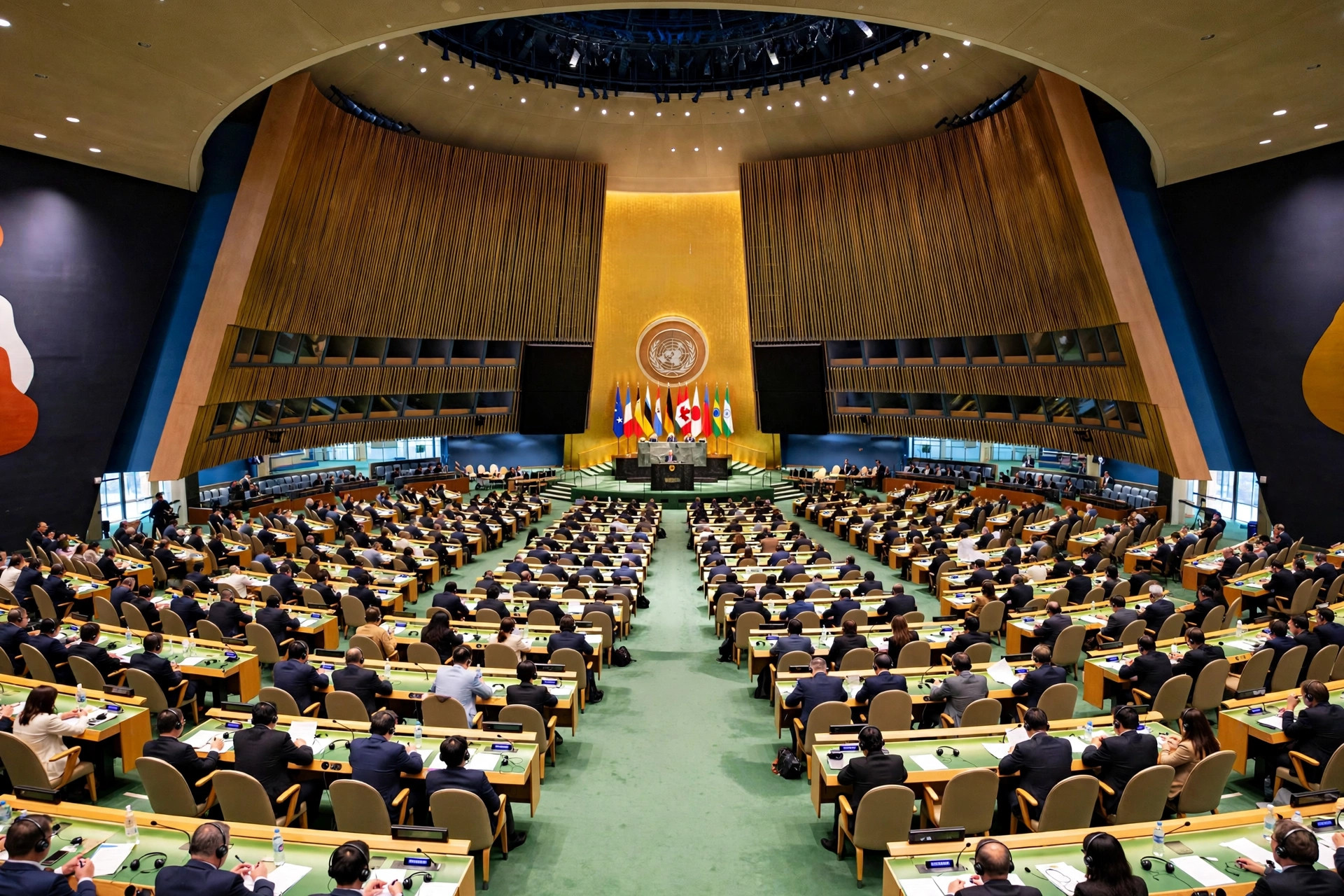
As governments navigate an increasingly complex geopolitical landscape, international summits and diplomatic engagements in 2026 have taken on renewed urgency. Observers tracking the actions and declarations of world leaders 2026 note a clear shift from broad aspirational goals to pragmatic, transactional agreements designed to address immediate economic vulnerabilities and escalating security concerns. Understanding the implications of these high-level meetings requires a close look at the core themes driving modern international relations.
Diplomatic calendars this year have been defined by persistent global friction points, ranging from ongoing supply chain realignments to the rapid integration of artificial intelligence into national security infrastructure. As a result, the outcomes of recent bilateral and multilateral summits offer critical insight into where global governance is heading. Rather than yielding sweeping, universal treaties, contemporary diplomacy increasingly relies on minilateral coalitions—smaller, task-oriented partnerships designed to bypass traditional bureaucratic gridlock.

Economic Resilience and Trade Fragmentation
A primary focus for world leaders key discussions centers on economic stability and industrial policy. Over the past several years, the emphasis has shifted decisively away from pure globalization toward strategic autonomy and economic security. Leaders are prioritizing domestic manufacturing capabilities, critical mineral supply chains, and technological sovereignty.
Recent communiqués highlight a growing consensus around the need to protect key industries from external shocks, whether caused by geopolitical conflict, climate-induced disasters, or pandemics. However, this focus on resilience has also fueled anxieties about market fragmentation. Emerging economies have expressed concern that inward-looking industrial policies in wealthier nations could restrict access to vital capital and green technologies. Consequently, diplomatic efforts in 2026 frequently attempt to balance national security imperatives with the necessity of maintaining open, predictable trade routes for developing regions.
Climate Finance and Implementation Realities
Climate diplomacy continues to be a central pillar of international agendas, yet the dialogue has evolved significantly. While previous years focused heavily on emissions reduction targets and non-binding pledges, the current emphasis is squarely on implementation, accountability, and financing.
Developing nations have intensified pressure on industrialized economies to deliver on long-promised financial support for adaptation and mitigation strategies. Key outcomes from recent climate-focused ministerial meetings reflect a growing acknowledgment that green transitions must be economically viable for the Global South. Discussions increasingly center on innovative financial instruments, such as debt-for-climate swaps, blended finance models, and leveraging private capital to fund sustainable infrastructure projects. Despite these efforts, significant gaps remain between the scale of financing required and the commitments currently on the table.
Security Frameworks and Technological Governance
In the realm of international security, world leaders 2026 are grappling with the dual challenges of traditional territorial conflicts and the largely unregulated domain of emerging military technologies. Cybersecurity, autonomous weapons systems, and the weaponization of commercial technologies have emerged as urgent topics on diplomatic agendas.
While comprehensive arms control treaties remain difficult to achieve in the current climate of strategic rivalry, functional dialogues have yielded modest frameworks for risk reduction. These include confidence-building measures in cyberspace and initial guidelines on the ethical use of artificial intelligence in defense applications. Analysts point out that while these agreements fall short of binding international law, they represent vital guardrails designed to prevent accidental escalations between major powers.
Key Takeaways for Global Observers
- Shift to Minilateralism: Broad global consensus is increasingly difficult to forge; nations are opting for targeted coalitions to achieve specific policy objectives.
- Security-Driven Economics: Industrial policy, supply chain security, and technological protectionism continue to dominate trade discussions.
- Action Over Ambition in Climate Policy: The focus has firmly pivoted toward financing mechanisms and practical implementation rather than setting new targets.
- Technological Governance: Managing the risks associated with artificial intelligence and digital infrastructure has become a core component of international diplomacy.
What to Watch Next
As the diplomatic calendar progresses through the remainder of the year, several developments will indicate whether current agreements translate into lasting policy changes. Observers should monitor upcoming ministerial meetings for concrete funding allocations toward climate adaptation projects and follow-up measures on technology export controls. Additionally, shifts in domestic political landscapes across major economies will likely influence how effectively these international commitments are implemented at the national level.