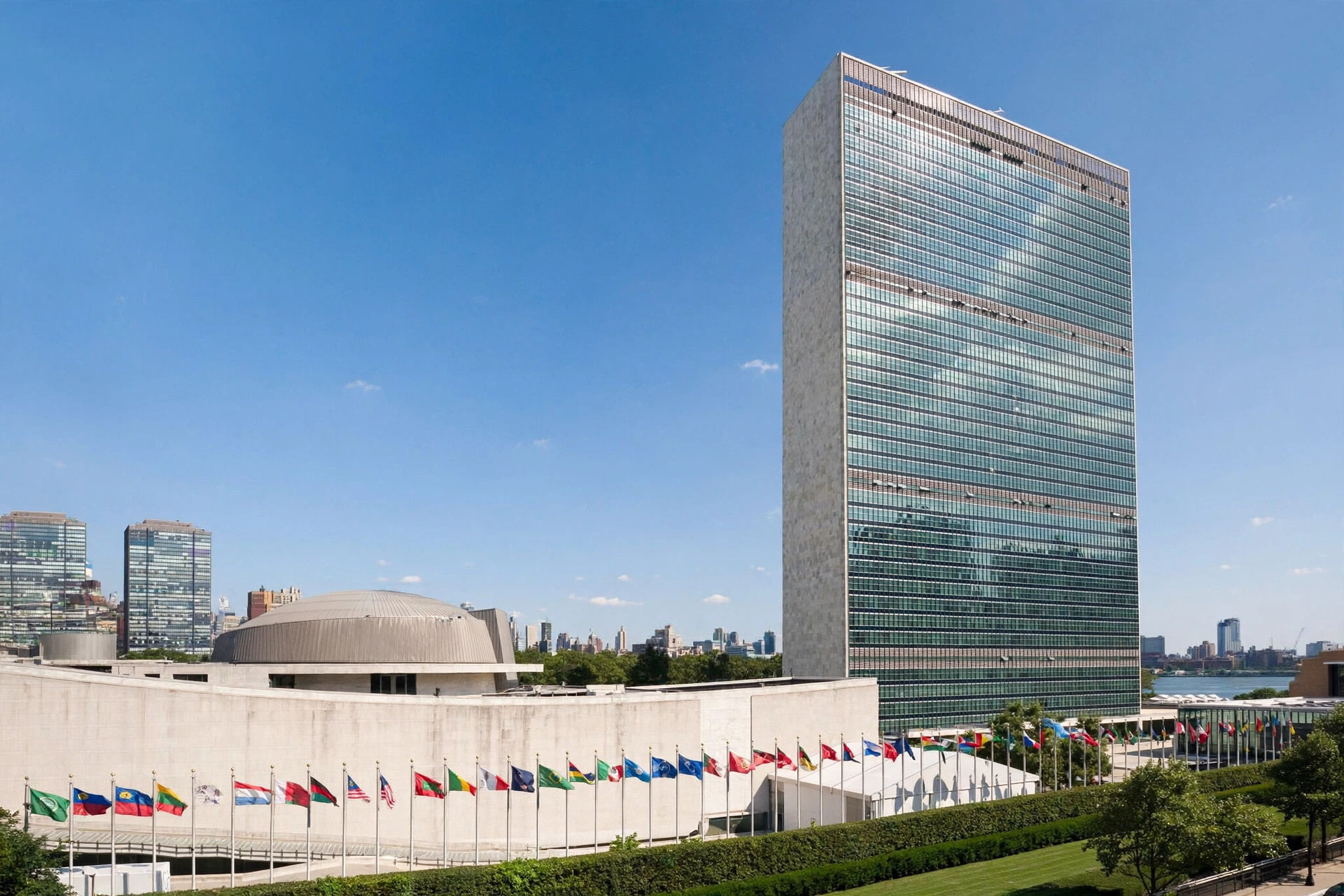
GENEVA — As global diplomacy navigates an increasingly fragmented international order, the strategic landscape confronting world leaders in 2026 reflects a decisive shift away from traditional consensus toward competitive multilateralism. From high-level summits in Europe and Asia to regional dialogues across the Global South, head-of-state meetings throughout the year demonstrate that managing geopolitical friction, economic protectionism, and structural technological change have become top priorities for executive governance worldwide.
Diplomatic observers emphasize that the international agenda is no longer dictated by a single dominant bloc. Instead, the year has underscored how middle powers and non-aligned states are exercising greater agency, forcing major capitals to recalibrate their foreign policy approaches. For modern administrations and world leaders, key structural adjustments are now essential to balance domestic economic pressures against escalating global security commitments.
1. The Fragmentation of Multilateral Governance
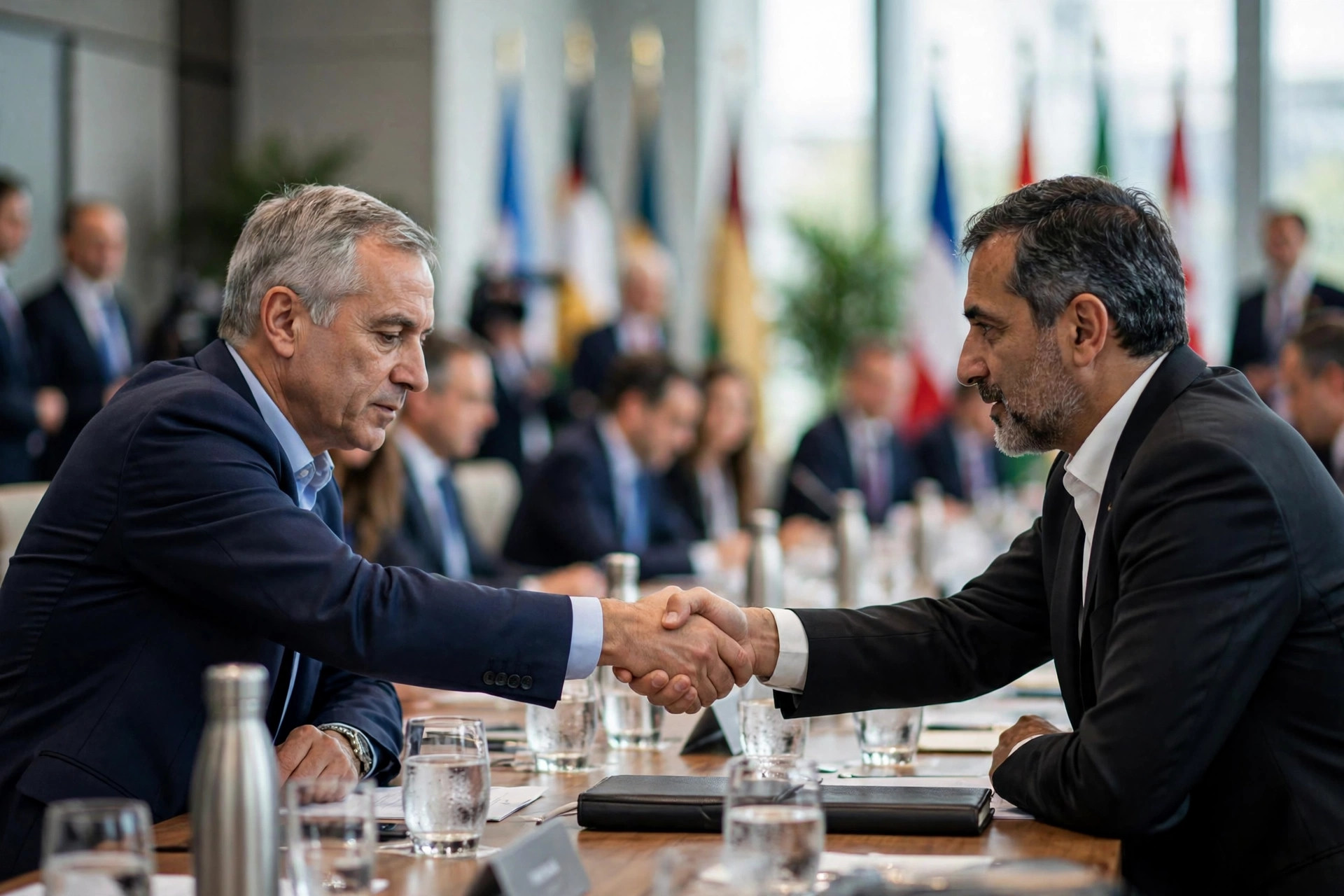
The traditional post-war architecture of international institutions continues to undergo unprecedented strain. Across international forums, including the United Nations General Assembly and regional summits, the divide between established industrialized democracies and rising developing economies has sharpened. While multilateral bodies remain the formal venue for treaty negotiation, practical diplomacy has increasingly shifted toward minilateral coalitions—smaller, purpose-built alliances designed around specific security or commercial objectives.
Analysts tracking global summits observe that consensus-building has grown significantly more complex. For world leaders, key diplomatic initiatives in 2026 are frequently pursued through agile coalitions of the willing rather than broad universal agreements. While this flexible diplomacy allows like-minded states to make rapid progress on specific defense or trade protocols, critics warn that it risks leaving global crises—such as international debt relief and sovereign dispute resolution—without universally recognized frameworks.
"The modern diplomatic arena is characterized less by universal treaty-making and more by competitive coalition-building, where transactional partnerships frequently supersede ideological alignments."
2. Economic Security and Industrial Realignment
Economic policy and national security have become virtually indistinguishable on the global stage. Discussions among world leaders in 2026 reveal a deep preoccupation with supply chain resilience, export controls on dual-use technologies, and strategic access to critical minerals. The era of uninhibited trade globalization has given way to targeted decoupling and "derisking" strategies, as major economies seek to insulate their domestic markets from geopolitical coercion.
State subsidies and active industrial policies are now widely utilized by governments in North America, Europe, and East Asia to onshore domestic manufacturing capacity for semiconductors, electric vehicles, and clean energy components. However, this defensive posture has created frictions with export-dependent developing nations, which argue that advanced-economy protectionism undermines their own industrial growth. Reconciling these economic realignments with World Trade Organization principles remains an unresolved challenge for international finance ministers and heads of state alike.
3. Climate Accountability Approaching the 2030 Threshold
Environmental governance represents another urgent friction point. With the critical 2030 benchmark for emissions reductions rapidly approaching, international environmental negotiations reveal a persistent rift between climate ambition and practical implementation. While renewable energy adoption has accelerated at record rates globally, national energy security concerns have led several nations to maintain or extend transitional fossil fuel infrastructure.
A central takeaway from recent multilateral engagements is the renewed emphasis on climate finance mechanisms. Developing economies continue to press wealthier nations to honor long-standing commitments regarding adaptation funding, loss-and-damage mechanisms, and low-cost technology transfers. For world leaders, key debates now center not merely on setting abstract net-zero targets, but on financing the practical transition mechanisms necessary to prevent economic instability in energy-producing regions.
4. Establishing Guardrails for Artificial Intelligence and Critical Tech
Technological sovereignty has cemented its position near the top of the international agenda. Throughout 2026, discussions surrounding the governance of artificial intelligence (AI), autonomous defense systems, and digital infrastructure have intensified across intergovernmental bodies.
Rather than a single global regulatory regime, two distinct approaches have emerged:
- Harmonized Safety and Risk Frameworks: Advanced industrial economies have pushed for stringent technical audits, safety benchmarks, and ethical guidelines designed to mitigate catastrophic risks associated with frontier AI models.
- Technological Self-Reliance: Many states view strict regulatory regimes through a competitive lens, prioritizing national capabilities, sovereign compute infrastructure, and localized data storage to avoid strategic dependence on foreign technology providers.
Diplomats report that establishing cross-border verification mechanisms for advanced computing systems remains technically challenging. Nevertheless, bilateral talks between major technological powers suggest a shared baseline recognition that miscalculation in automated or cyber-enabled systems poses a severe threat to strategic stability.
5. Strategic Stress in Emerging and Developing Markets
Beyond the rivalries of major powers, the economic stability of developing nations has commanded sustained attention. Escalating sovereign debt burdens, exacerbated by years of volatile commodity prices and fluctuating currency valuations, have constrained public balance sheets across parts of Africa, Latin America, and South Asia.
The dialogue between sovereign creditors and debtor nations has evolved into a key test of global financial architecture. Observers note that traditional debt-restructuring mechanisms have struggled to adapt to a landscape where non-Paris Club bilateral lenders and private creditors hold significant shares of developing-world liabilities. Navigating structural reforms without triggering social disruption has become a delicate balancing act for domestic leaders across the Global South.
What to Watch Next
As governments prepare for the next cycle of international summits, several critical indicators will shape the strategic environment for world leaders 2026 and into 2027:
- Implementation of Trade Protocols: Monitoring whether regional trade pacts in the Indo-Pacific, Africa, and the Americas can offset the drag caused by bilateral tariff barriers and export restrictions.
- Minilateral Defense Cohesion: Assessing whether localized security groupings can effectively deter regional escalation without inciting counter-alliances.
- Climate Finance Deployment: Tracking the operational rollout of multilateral funding structures designed to assist vulnerable states ahead of 2030 emissions deadlines.
- Cross-Border Tech Standards: Observing whether initial agreements on AI risk management translate into binding international safety protocols or remain non-enforceable declarations.
Ultimately, the overarching lesson for world leaders in 2026 is that modern governance requires managing persistent friction rather than anticipating an immediate return to global stability. The degree to which major capitals and emerging powers can maintain open channels of communication amid deep ideological and economic rivalries will determine the resilience of the international system in the years ahead.