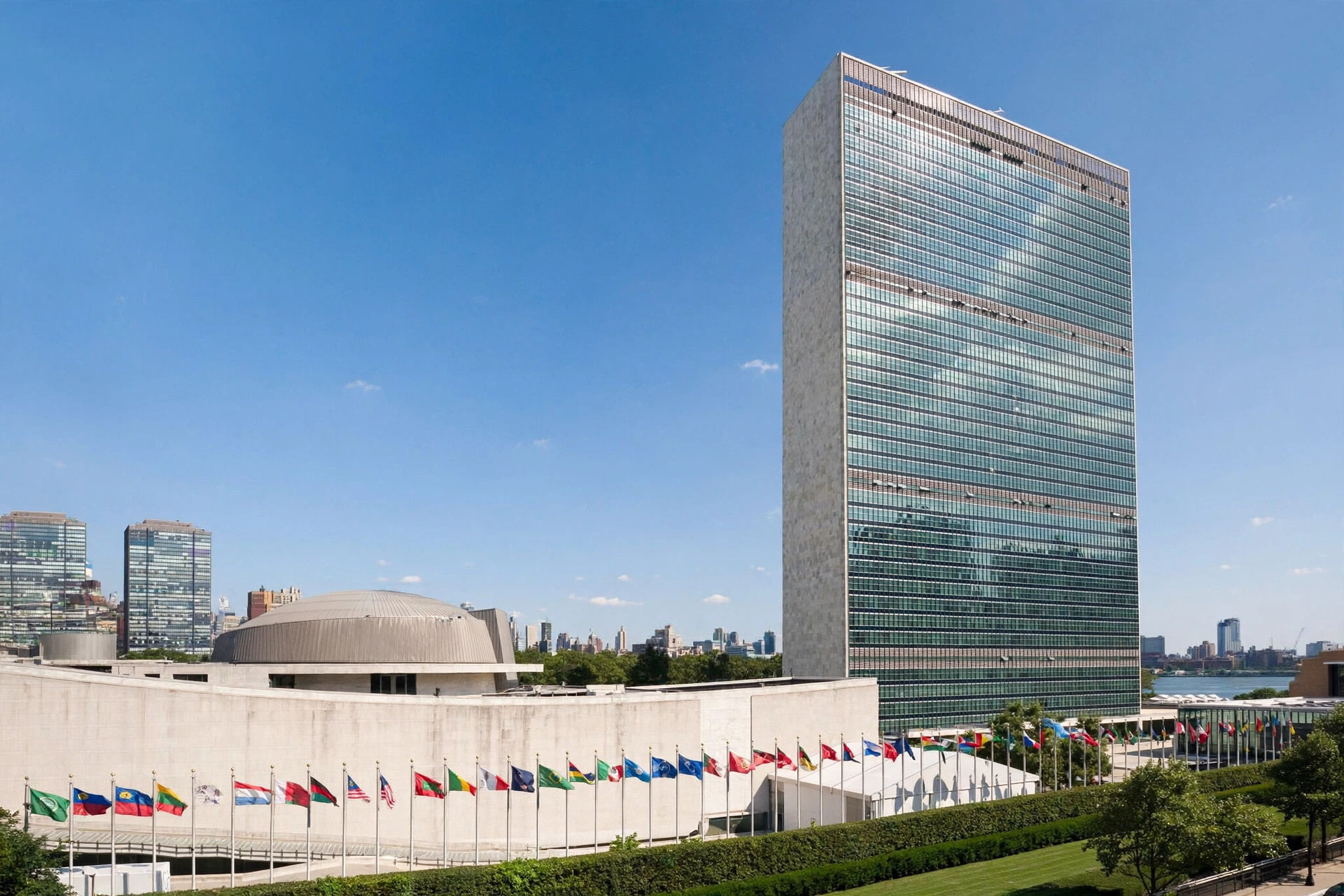
As governments, legal experts, and digital security professionals navigate the evolving landscape of digital security, the trajectory of international frameworks has taken center stage. The ongoing discussions surrounding the cybercrime treaty 2026 reflect a complex balancing act between enhancing global law enforcement cooperation and safeguarding fundamental human rights, privacy, and cybersecurity research.
In recent years, the international community has grappled with the reality that cyber threats transcend national borders with ease, while legal frameworks remain firmly anchored to territorial jurisdictions. As policymakers review the cybercrime treaty latest developments, attention has increasingly focused on how nations will implement these agreements domestically and how law enforcement agencies will handle cross-border electronic evidence.

The Evolution of Global Cyber Governance
The journey toward a unified international approach to digital offenses has been marked by intense diplomatic negotiations. Traditional mutual legal assistance treaties (MLATs) are frequently criticized as too slow to address fast-moving digital crimes such as ransomware attacks, data exfiltration, and large-scale financial fraud.
Observers note that the push for a comprehensive global convention stems from the urgent need to streamline how countries share digital evidence. When a cyberattack originates in one jurisdiction, affects infrastructure in a second, and routes its command-and-control servers through a third, traditional investigative channels often result in bureaucratic delays that benefit malicious actors.
However, the path to a universally accepted framework has not been without controversy. Civil society organizations, technology companies, and privacy advocates have consistently raised concerns regarding the broad definitions of criminal offenses and the potential for overbroad surveillance powers.
Key Debates: Privacy versus Security
At the heart of current discussions are fundamental tensions regarding state surveillance and individual privacy rights. Critics of past drafts have argued that provisions allowing for the rapid preservation and disclosure of electronic data could be weaponized by authoritarian regimes to target political dissidents, journalists, and human rights defenders.
- Jurisdictional Overreach: Concerns persist over whether extraterritorial data access requests respect the sovereignty of host nations.
- Protection for Security Researchers: Industry stakeholders continue to advocate for robust safeguards for ethical hackers and vulnerability researchers, ensuring they are not inadvertently criminalized under broad unauthorized-access statutes.
- Encryption Standards: Debates surrounding the weakening or circumvention of end-to-end encryption remain a contentious point among technical experts who argue that backdoors compromise overall digital infrastructure security.
Legal scholars emphasize that the ultimate success of any global agreement will depend heavily on whether it incorporates strong human rights safeguards, independent oversight mechanisms, and clear limitations on data collection.
Implementation Challenges and National Adaptation
Even as international bodies work toward finalizing and ratifying these frameworks, significant hurdles remain at the domestic level. Aligning national legislation with international treaty obligations requires substantial legislative reforms, institutional capacity building, and judicial training.
Many developing nations face resource constraints in modernizing their law enforcement agencies and judicial systems to effectively investigate sophisticated cybercrimes. Analysts suggest that international capacity-building initiatives and technical assistance will be crucial components in ensuring that the treaty does not create a two-tiered system where only well-resourced nations can effectively police cyberspace.
Furthermore, interoperability between different legal systems presents a persistent challenge. Data protection regulations—such as the European Union's General Data Protection Regulation (GDPR) and various national privacy laws worldwide—often impose strict limits on the transfer of personal data to foreign law enforcement agencies, creating friction with international cooperation mandates.
The Road Ahead for Digital Cooperation
As the international community moves forward, the focus is shifting from high-level diplomatic text negotiations to practical implementation and compliance monitoring. Private sector technology companies, which own and operate the infrastructure through which global communications flow, will play a critical role in interpreting and executing lawful access requests under the new framework.
"The true test of any international cybercrime framework is not merely whether it facilitates investigations, but whether it maintains public trust in the security and privacy of digital communications," notes a recent legal analysis on global technology governance.
For policymakers and industry leaders alike, the coming months will require careful navigation of technical, legal, and geopolitical realities to ensure that global cooperation does not come at the expense of fundamental freedoms or cybersecurity resilience.
Key Takeaways to Watch
- Ratification Milestones: Monitor which member states formally sign and ratify the treaty components throughout the year.
- Domestic Legislation: Observe how major economies translate international obligations into national cybersecurity and criminal laws.
- Industry Engagement: Track responses from technology coalitions regarding data-sharing mandates and encryption standards.
- Human Rights Oversight: Pay close attention to the establishment of monitoring bodies designed to evaluate compliance with privacy and civil liberties protections.