
Every year brings new workout fads, but 2026 is shaping up as the year of evidence over hype. Researchers and sports scientists are converging on training principles backed by solid research — a welcome shift toward what actually works.
Strength Training for Everyone
The biggest shift in fitness culture has been the mainstreaming of resistance training. Once associated mainly with bodybuilders, strength work is now widely recommended for the general population — and the science keeps getting stronger. Research links it to improved bone density, metabolic health, and healthier body composition.
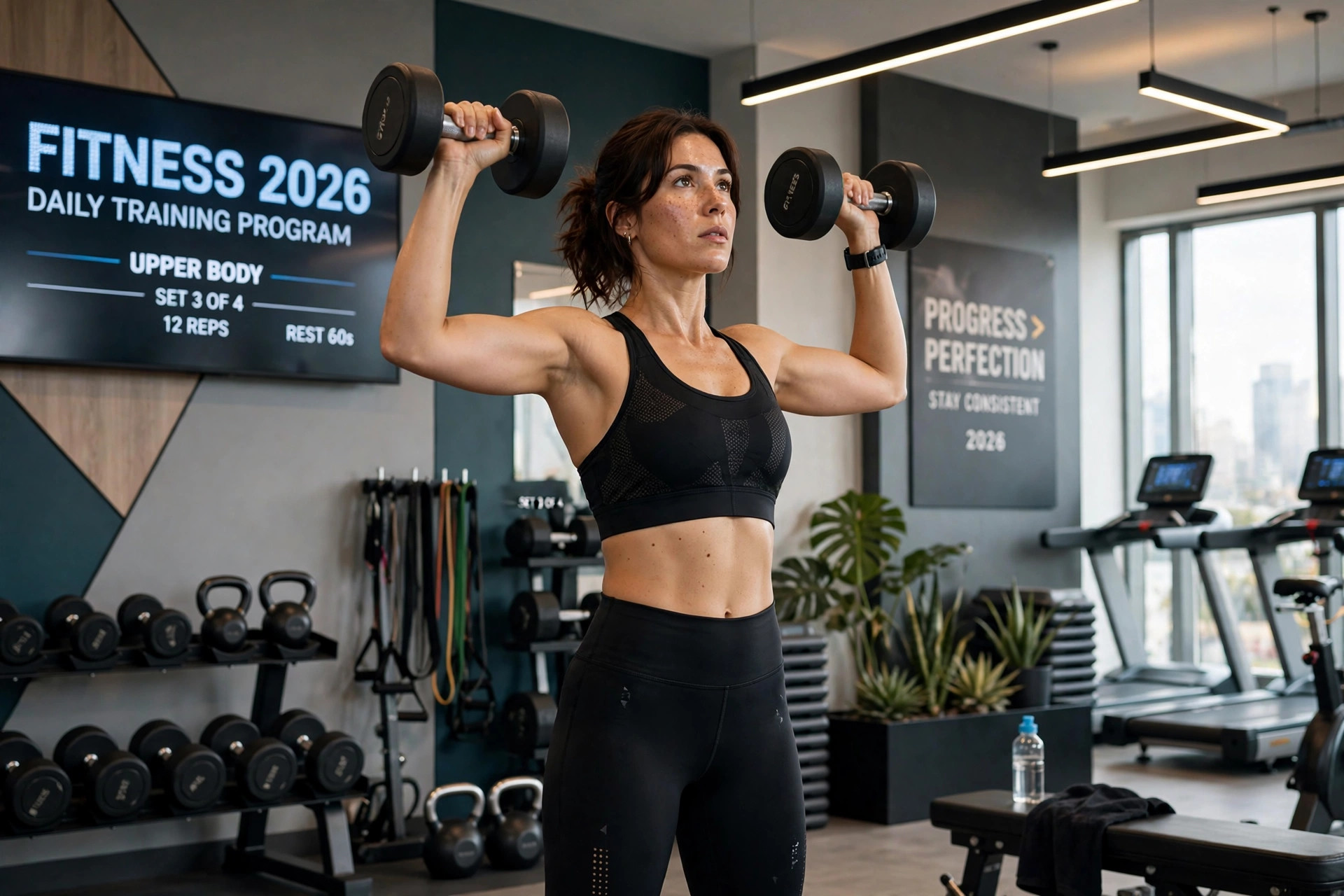
Older adults, once steered only toward gentle activity, are now encouraged to lift progressively heavier loads with proper guidance. Analysts suggest the "lift heavy things a few times a week" message has finally broken through fitness marketing noise — public behavior catching up with evidence.
The Zone 2 Revolution
2026 has seen growing enthusiasm for Zone 2 cardio — moderate aerobic exercise at a pace where conversation is still possible. Brisk walking, easy cycling, and light jogging all qualify. The science is compelling: regular Zone 2 training improves mitochondrial function and cardiovascular health, and most people can accumulate significant volume without high injury risk.
The emerging consensus favors a polarized approach: plenty of easy aerobic work, regular strength training, and small doses of higher intensity on top.
Short Workouts, Real Results
Time remains the top-cited barrier to exercise, and trends reflect that reality. Research on minimum effective doses is encouraging: meaningful benefits accrue from far less than many assume. Brief post-meal walks, a few minutes of bodyweight exercises, taking stairs — all contribute to better blood sugar control and heart health.
For structured training, evidence favors consistency over duration. Three 30-minute strength sessions weekly, sustained for months, outperform sporadic marathon gym visits. Professionals increasingly prescribe programs people can sustain rather than idealized routines that collapse within weeks.
Recovery Gets Its Due
The most mature trend of 2026 is fitness's growing respect for recovery. Sleep, long an afterthought, is now recognized as a performance variable on par with training itself. Poor sleep undermines muscle repair, hormonal balance, and motivation.
Recovery practices are becoming more evidence-based and less gimmicky. The fundamentals — adequate sleep, proper nutrition, gradual progression, rest days — outperform expensive gadgets. The message is balance: training provides stimulus, but adaptation happens during recovery.
Protein and Nutrition Clarity
Nutrition advice stays noisy, but consensus points have emerged. Adequate protein — vital for trainees and older adults preserving muscle — is widely supported, alongside whole foods, fiber, and hydration. Beyond that, sports nutritionists emphasize personalization over dogma: the best diet supports training, fits the individual's life, and can be maintained.
Functional Fitness and Longevity
A growing segment trains explicitly for longevity — staying strong, mobile, and independent for as many years as possible. This "train for life" philosophy prioritizes balance, grip strength, bone density, and cardiovascular capacity. Rather than chasing aesthetics, it asks what capabilities will matter at 80, shaping programs around compound movements and varied activity.
Key Takeaways
- Strength train regularly: Two to four sessions weekly benefits nearly everyone.
- Build an aerobic base: Moderate cardio supports metabolic and heart health.
- Prioritize consistency: Sustainable routines beat ambitious ones you abandon.
- Respect recovery: Sleep and rest days are part of training.
- Start where you are: Match programs to current fitness and life.
Individuals with health conditions should consult professionals before new programs. But the science-backed message of 2026 is encouraging: move regularly, lift progressively, sleep well, and be patient. The fundamentals work.
Wearable technology adds another layer, giving everyday exercisers data once reserved for elite athletes. Used wisely — as feedback rather than obsession — these tools help fine-tune effort and recovery.