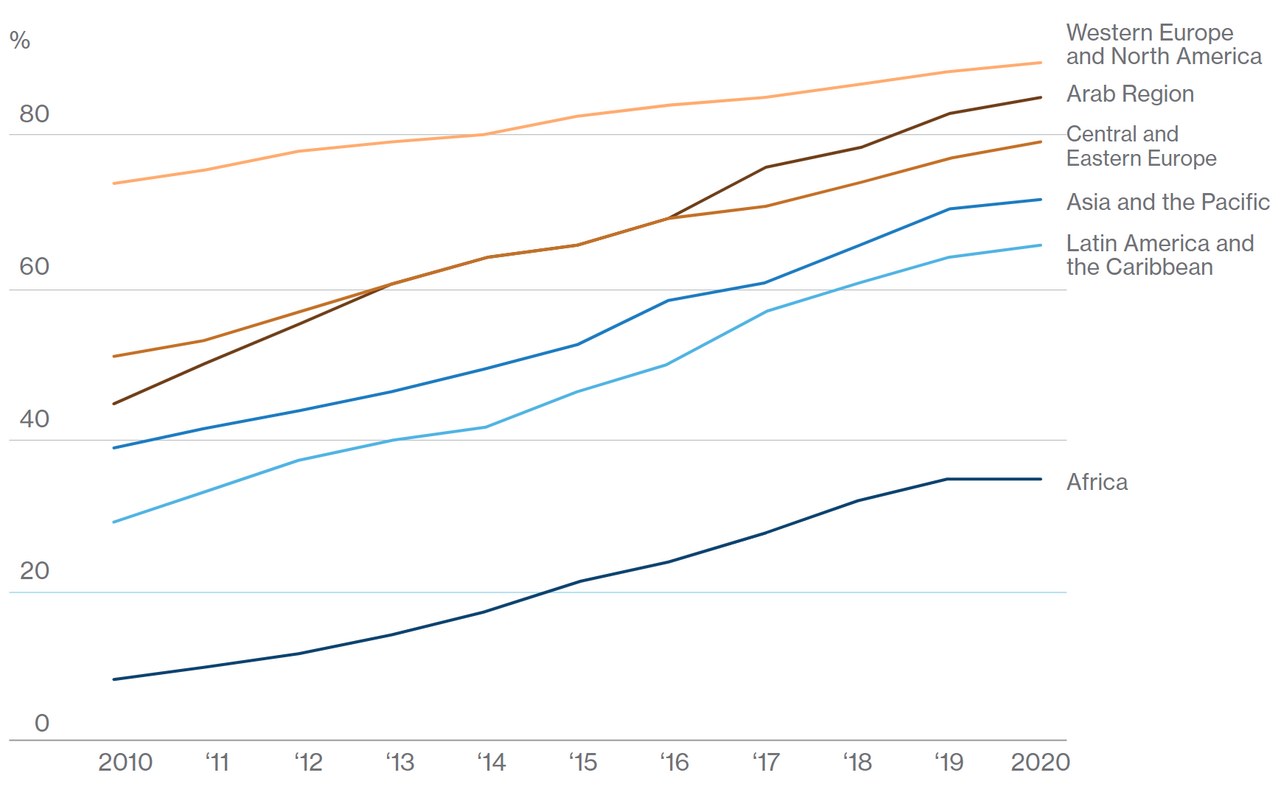
As the international community navigates the mid-point of the decade, the landscape of connectivity has transformed dramatically. The pursuit of universal connectivity remains one of the most ambitious engineering and socioeconomic initiatives of our time. By 2026, the conversation surrounding global internet access has shifted from merely laying physical infrastructure to addressing deep-seated divides in affordability, digital literacy, and cybersecurity resilience.
While urban centers in developed and rapidly developing nations enjoy multi-gigabit speeds and seamless 5G integration, vast rural and remote regions still face structural hurdles. International bodies, telecommunications coalitions, and private aerospace enterprises continue to race toward bridging these gaps, though the path forward involves complex geopolitical, environmental, and economic considerations.

The Evolving Infrastructure Landscape
The architecture of the internet in 2026 is defined by a hybrid model combining traditional terrestrial fiber-optic cables with advanced satellite constellations. Subsea cables continue to carry the vast majority of intercontinental data traffic, with new routes launched recently to connect previously underserved regions in Africa, Southeast Asia, and the Pacific Islands.
Concurrently, Low Earth Orbit (LEO) satellite constellations have matured significantly. Once viewed as an experimental frontier, satellite broadband now serves as a vital lifeline for remote communities, schools, and medical facilities where laying physical fiber is economically or geographically unfeasible. Analysts note that while satellite technology has successfully lowered latency and increased bandwidth in remote areas, the cost of terminal hardware and subscription fees remains a barrier for low-income households.
Key Challenges in Achieving Universal Connectivity
Despite significant capital investments from both the public and private sectors, achieving true parity in global internet 2026 metrics requires overcoming several systemic roadblocks:
- Affordability and the "Usage Gap": In many developing economies, infrastructure may physically reach a community, but the cost of data and devices prevents widespread adoption. The gap between mere coverage and actual usage remains a primary focus for policymakers.
- Digital Literacy and Skills: Access alone does not guarantee economic empowerment. Programs that teach digital navigation, coding, and cybersecurity are increasingly recognized as essential complements to hardware deployment.
- Geopolitical Fragmentation: Growing regulatory divergence, data sovereignty laws, and cybersecurity nationalism threaten to fracture the open web. Different regions are implementing distinct compliance standards, complicating cross-border digital commerce and communication.
- Environmental and Sustainability Pressures: As data centers and network traffic expand exponentially, the telecommunications industry faces mounting pressure to power its infrastructure with renewable energy sources and curb its carbon footprint.
Regional Disparities and Progress
Progress toward universal connectivity varies starkly across different continents:
In parts of Latin America and Southeast Asia, mobile-first strategies have driven impressive gains in basic internet penetration. Affordable smartphones and flexible prepaid data plans have allowed millions to bypass traditional desktop computing entirely, integrating mobile banking, e-commerce, and remote education into daily life.
Conversely, sub-Saharan Africa presents a complex picture. While vibrant tech hubs in nations like Kenya, Nigeria, and South Africa boast thriving digital economies, rural interiors lag behind due to power grid unreliability and high taxation on imported tech equipment. International partnerships are increasingly focusing on localized manufacturing of devices and decentralized solar-powered base stations to address these foundational issues.
The Intersection of AI and Connectivity
Another defining trend of the era is the integration of artificial intelligence into network management. Telecom operators increasingly rely on machine learning algorithms to predict traffic bottlenecks, automate repairs, and optimize energy consumption across vast cellular and fiber networks. However, this creates a double-edged sword: while AI makes networks smarter and more efficient, it also demands higher processing power, putting additional strain on global power grids.
Furthermore, the rise of bandwidth-heavy applications, including augmented reality (AR) tools, high-definition remote healthcare diagnostics, and automated logistics platforms, means that the definition of "sufficient" internet access is continually shifting upward. What was considered high-speed broadband a decade ago is no longer adequate for modern enterprise and educational needs.
Key Takeaways for the Future of Connectivity
As the international community looks toward the latter half of the decade, several strategic priorities emerge for stakeholders:
- Beyond Infrastructure: Future initiatives must prioritize affordability and digital skills alongside physical cable and satellite deployment.
- Public-Private Synergy: Governments and private tech entities must collaborate on regulatory frameworks that encourage innovation while protecting consumer privacy.
- Resilience and Security: Securing subsea cables, satellite links, and data centers against physical and cyber threats is paramount for global economic stability.
The journey toward inclusive digital participation requires sustained global cooperation. While the vision of a fully connected planet is closer than ever, closing the final gaps will demand targeted policies, financial innovation, and an unwavering commitment to bridging the digital divide.