
As the global community navigates the mid-2020s, the escalating global water scarcity has moved from a localized environmental concern to a defining geopolitical and economic challenge. International hydrologists, climate scientists, and policy analysts tracking the water crisis 2026 point to a convergence of factors—ranging from persistent droughts and erratic precipitation patterns to aging infrastructure and surging industrial demand—that are pushing numerous regions to the brink of critical shortages.
According to comprehensive assessments shared by leading environmental organizations and policy institutes, the contemporary challenge is not merely a shortage of precipitation, but a profound crisis of resource management, allocation, and infrastructure resilience. As populations grow and agricultural demands intensify to feed urban centers, the margin for error in managing finite freshwater supplies has narrowed dramatically.
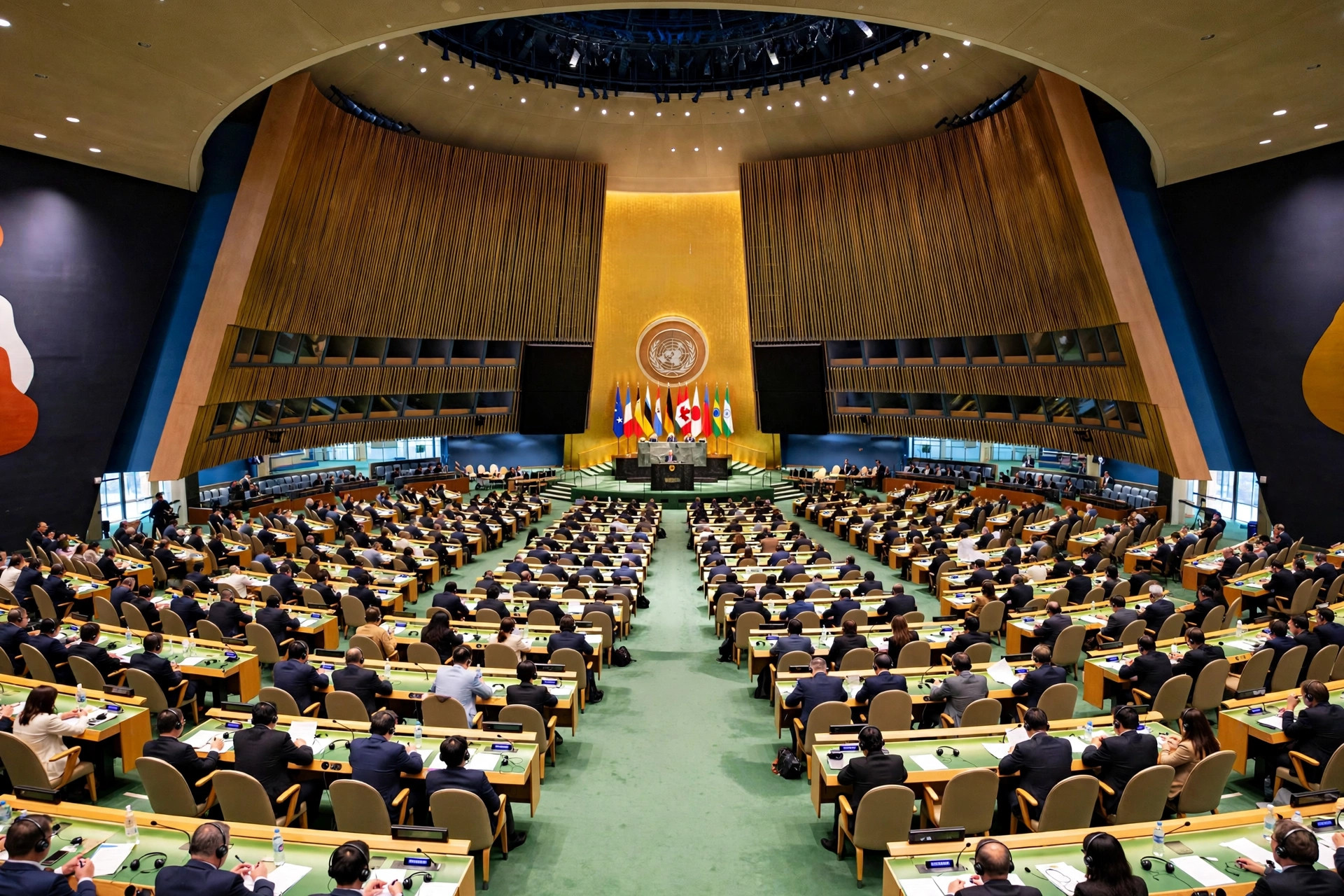
The Anatomy of the 2026 Water Stress Index
A leading water crisis expert from a prominent international environmental institute notes that the current predicament is characterized by a "triple threat": declining groundwater aquifers, diminished snowpacks in major mountain ranges, and heavily polluted surface water systems that require intensive and costly treatment.
Unlike sudden-onset natural disasters, the progression of regional water scarcity is often gradual, making it difficult to mobilize immediate emergency funding until a critical threshold is reached. However, analysts emphasize that several structural vulnerabilities have become glaringly apparent:
- Aquifer Depletion: Major agricultural breadbaskets across multiple continents are drawing down deep fossil aquifers far faster than natural rainfall can replenish them.
- Infrastructure Deficits: In both developing nations and advanced economies, decades-old pipe networks suffer from significant leakage rates, sometimes losing up to 40 percent of treated water before it reaches consumers.
- Transboundary Tensions: Rivers and lakes that cross international borders are increasingly becoming flashpoints for diplomatic friction, as upstream nations construct dams and diversion projects without adequate consultation downstream.
- Energy-Water Nexus: Desalination and advanced water recycling plants require massive amounts of energy, tying water security directly to power grid reliability and carbon emissions reduction goals.
Urban Centers Under Pressure
While rural agricultural sectors consume the vast majority of global freshwater, the visibility of the crisis is most acute in rapidly expanding megacities. Metropolitan areas in South Asia, the Middle East, parts of Latin America, and the southwestern regions of North America are implementing increasingly stringent consumption caps.
Municipal planners are adopting multi-pronged approaches to safeguard urban supplies. These strategies increasingly mirror industry best practices:
- Mandatory water-recycling frameworks for industrial and commercial facilities.
- Advanced metering infrastructure (AMI) to detect leaks in real-time and encourage residential conservation through dynamic pricing.
- Diversification of supply sources, moving away from single-reservoir reliance toward a mix of recycled wastewater, desalination, and stormwater capture.
- Nature-based solutions, such as the restoration of upstream wetlands and urban green spaces, to improve natural filtration and groundwater recharge.
Agricultural Adaptation and Technological Innovation
Because agriculture accounts for roughly 70 percent of global freshwater withdrawals, any meaningful resolution to the crisis requires a fundamental transformation in farming practices. Traditional flood irrigation is rapidly being phased out in water-stressed zones in favor of precision drip irrigation and soil-moisture monitoring technologies.
Furthermore, agricultural researchers are accelerating the development of drought-resistant crop varieties. By shifting away from water-intensive staples in arid zones, governments hope to balance food security needs with the hard realities of shrinking hydrological budgets.
"The narrative that we are simply running out of water is misleading," notes a senior water policy researcher. "We are outgrowing our inefficient systems of use. The transition required is not just technological, but a fundamental reimagining of how we value and price a resource that underpins every sector of human society."
Economic Implications and Financial Markets
The financial sector is increasingly factoring water risk into corporate valuations and sovereign debt assessments. Investors are beginning to penalize companies that lack comprehensive water stewardship strategies, particularly in water-intensive sectors such as semiconductor manufacturing, textiles, mining, and food processing.
Insurance markets are also adapting, as prolonged droughts and subsequent wildfires increase operational risks for businesses worldwide. Consequently, capital allocation is shifting toward green bonds and infrastructure funds dedicated to modernizing water treatment facilities and constructing decentralized supply networks.
Key Takeaways for 2026 and Beyond
- Systemic Challenge: The current global water strain is primarily a management and infrastructure crisis exacerbated by changing climatic conditions, rather than a temporary dry spell.
- Technological Pivot: Investments in leak detection, wastewater recycling, and precision agriculture are no longer optional upgrades, but essential components of economic survival.
- Policy Integration: Energy, agriculture, and urban development policies must be closely coordinated to prevent conflicting demands on fragile river basins and aquifers.
- Cross-Border Cooperation: International diplomacy will play a vital role in preventing conflicts over shared transboundary water resources.
As the international community continues to grapple with these complexities, the overarching consensus among specialists is clear: proactive, cross-sector investment in water resilience is vastly less expensive—both financially and socially—than managing the cascading humanitarian and economic costs of acute scarcity.