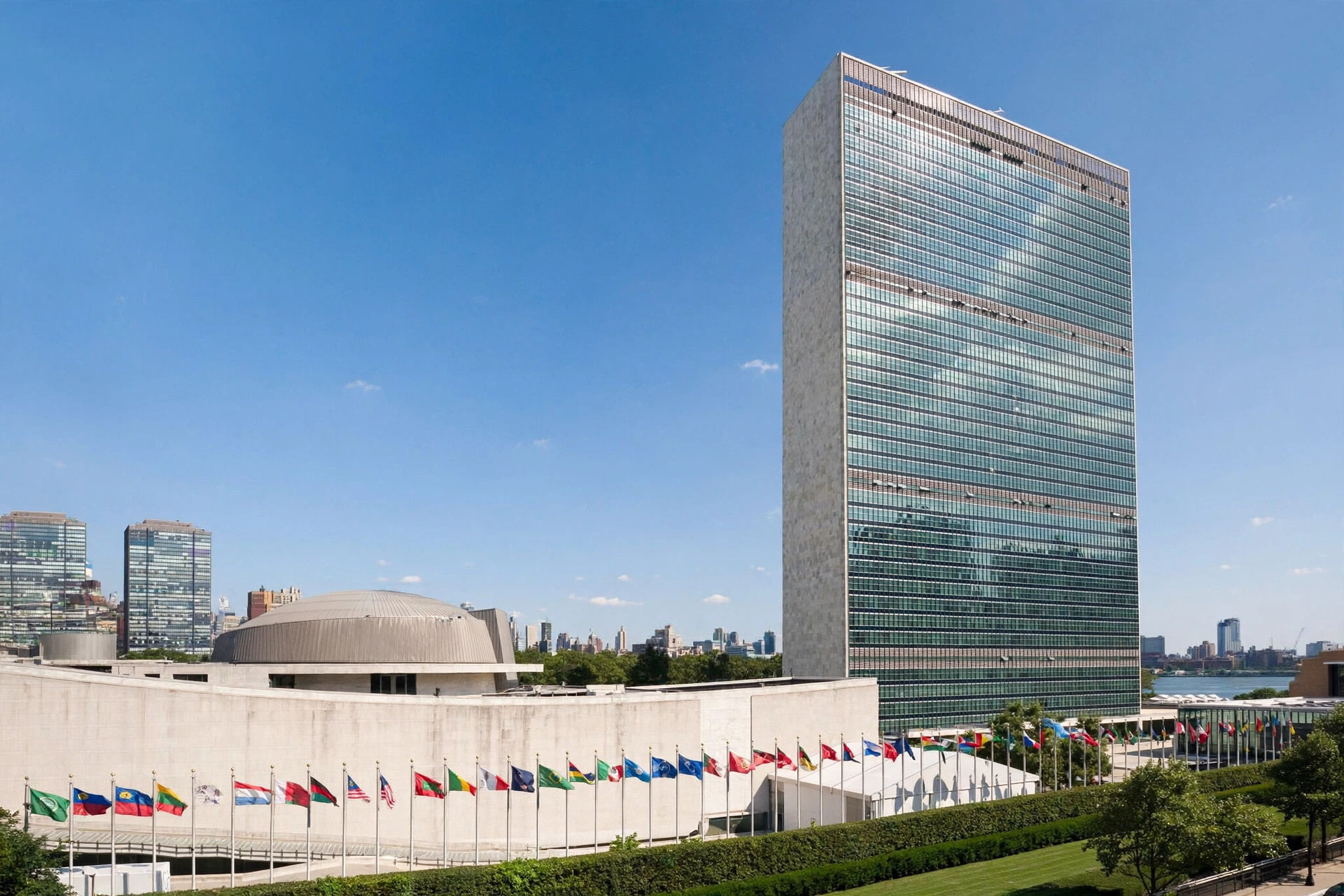
As the international community navigates the complexities of the mid-2020s, the decisions made by world leaders 2026 are set to reshape the daily lives of citizens across the globe. From sweeping economic policies and climate commitments to rapid technological regulations and shifting geopolitical alliances, the outcomes of international governance are no longer distant diplomatic affairs. Instead, they directly influence everything from household budgets to local job security and national security frameworks.
Understanding what the current geopolitical landscape of world leaders means for the average person requires looking past the headlines of summit meetings and analyzing the structural changes taking place in global policy. As global powers recalibrate their strategies, citizens are encouraged to examine how macro-level decisions cascade down into local realities.

The Economic Ripple Effect: Inflation, Trade, and Supply Chains
Economic stewardship remains the primary test for political figures on the international stage. In 2026, international commerce continues to grapple with the fragmentation of global supply chains. As major economies pursue policies focused on near-shoring, friend-shoring, and domestic industrial subsidies, the traditional model of hyper-globalized manufacturing is undergoing a profound transformation.
For consumers, these macroeconomic shifts translate into tangible changes in the marketplace. Trade agreements and tariffs negotiated by heads of state directly influence the cost of imported goods, energy prices, and borrowing rates. When political leaders implement trade restrictions or forge new economic blocs, the immediate consequence is often felt at the grocery store checkout and in mortgage interest rates. Analysts note that as economic nationalism plays a larger role in foreign policy, ordinary citizens must prepare for a more volatile economic environment where local prices are increasingly tied to geopolitical tensions.
Climate Governance and the Energy Transition
Environmental policy has evolved from a niche diplomatic discussion into a core pillar of domestic economic planning. International climate frameworks and national transition targets established by global administrations are now dictating how industries operate, how power grids are modernized, and how transportation networks evolve.
For individuals, the push toward net-zero emissions means navigating a changing job market and shifting energy costs. Governments are heavily subsidizing green technologies, renewable energy infrastructure, and electric vehicle adoption. At the same time, traditional energy sectors face stringent regulations. This transition creates new employment opportunities in engineering, construction, and sustainable technology, while simultaneously posing challenges for communities historically reliant on fossil fuel industries. Citizens are increasingly tasked with adapting to new energy standards, home insulation mandates, and altered commuting options driven by municipal and national climate strategies.
Technology, Artificial Intelligence, and Digital Sovereignty
Perhaps the most rapidly evolving arena for international governance is the regulation of emerging technologies. Artificial intelligence, semiconductor manufacturing, and data privacy have become central battlegrounds for state power. Governments are racing to establish legal frameworks that balance innovation with national security and citizen protection.
The policies enacted regarding digital sovereignty have direct implications for everyday internet users. Cross-border data flows, cybersecurity standards, and content moderation laws dictate how people consume information, communicate, and conduct business online. Furthermore, the global competition for dominance in advanced technology sectors influences educational priorities, pushing workforce development programs toward STEM fields and digital literacy to ensure citizens remain competitive in a tech-driven global economy.
Navigating Geopolitical Instability and Security
Security concerns dominate the foreign policy agendas of nations worldwide. Ongoing regional conflicts, deterrence strategies, and shifting diplomatic alignments mean that defense spending and international security cooperation are at the forefront of governmental budgets.
While military strategy is orchestrated at the highest levels of government, the consequences are felt in public spending priorities, refugee and immigration policies, and public safety measures. Increased investment in national defense often requires trade-offs in domestic funding for healthcare, education, and infrastructure. Moreover, international tensions can trigger cyber threats and disinformation campaigns that target civilian infrastructure, making digital hygiene and media literacy essential skills for the modern citizen.
Key Takeaways: What to Watch Next
As the year progresses, staying informed about international developments requires looking at how global trends intersect with daily life. Here are the key areas to monitor:
- Trade Policy Shifts: Keep an eye on new bilateral agreements and tariff announcements, which serve as early indicators of future consumer prices and market availability.
- Regulatory Updates on Technology: Watch for new legislative frameworks concerning artificial intelligence and data privacy, as these will alter digital platforms and workplace requirements.
- Energy Market Transitions: Monitor local and national incentives for green energy, alongside changes in utility rates, which impact household budgeting and long-term planning.
- Labor Market Evolution: Pay attention to government-backed reskilling and education initiatives designed to meet the demands of a changing global economy.
Ultimately, the actions of international decision-makers are not isolated from the public. By recognizing the direct connection between global governance and personal circumstances, individuals can better anticipate economic shifts, adapt to regulatory changes, and position themselves resiliently in an interconnected world.