
As the international community navigates the mid-point of the decade, the escalating global water crisis 2026 continues to dominate geopolitical discussions, economic forecasts, and environmental policy summits. What was once viewed primarily as a localized environmental issue has increasingly transformed into a systemic threat to global stability, agricultural productivity, and urban infrastructure. From transboundary river disputes to the rapid depletion of underground aquifers, governments and international organizations are grappling with an urgent reality: demand for freshwater is vastly outpacing sustainable supply.
Environmental scientists and economic analysts point to a convergence of compounding factors driving the current situation. Extended periods of severe drought, exacerbated by changing global climate patterns, have severely diminished surface water reserves in major river basins across multiple continents. Simultaneously, rapid urbanization, industrial expansion, and intensive agricultural practices continue to strain aging water distribution networks. In many regions, outdated infrastructure leads to staggering loss rates through leaks and inefficient management, compounding the scarcity felt by end-users.
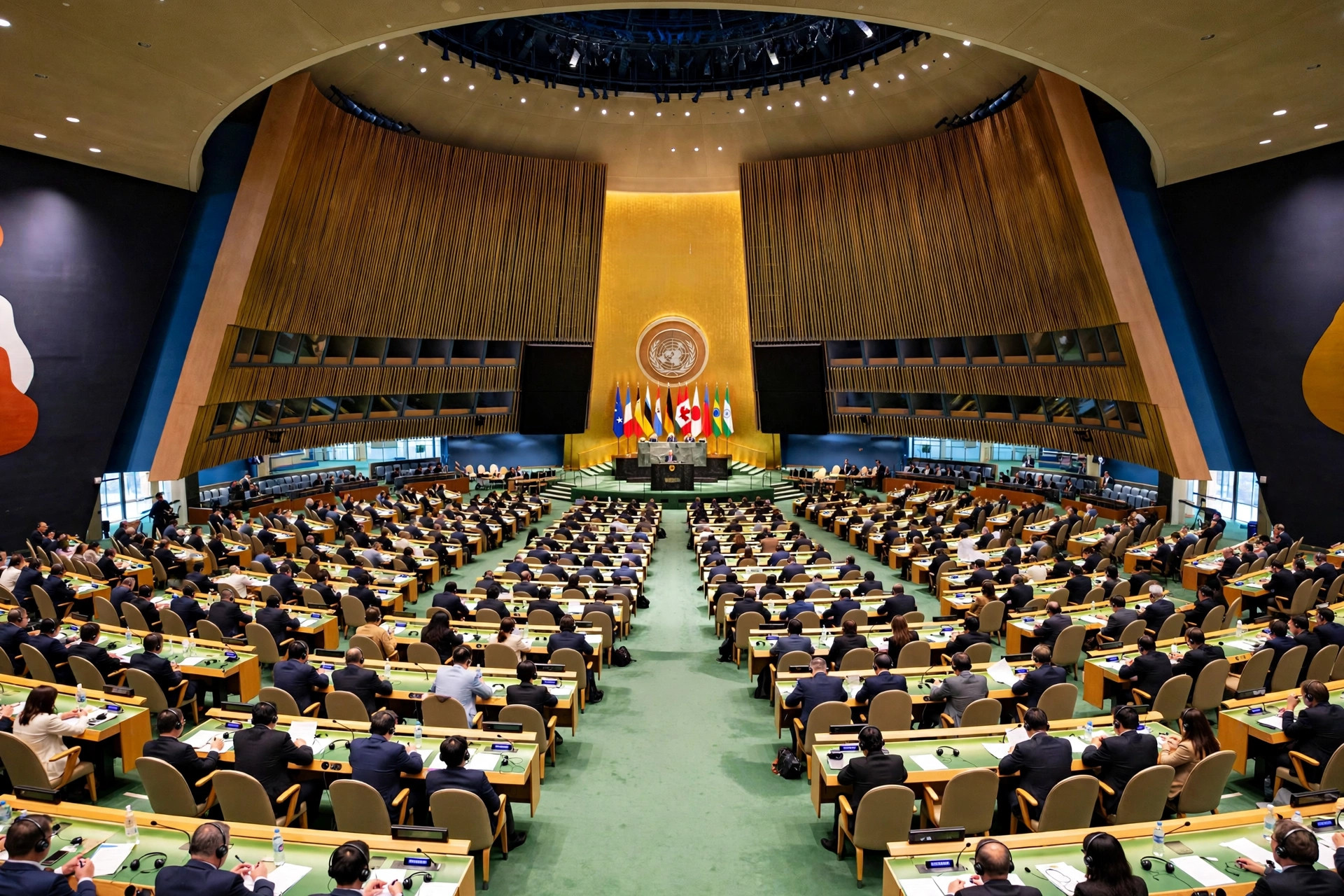
Geopolitical Tensions and Cross-Border Management
One of the most critical developments surrounding the water crisis key themes of this year is the intensification of hydro-politics. Rivers and lakes that cross international boundaries are increasingly becoming focal points of diplomatic friction. Upstream dam construction and unilateral water diversion projects have heightened tensions between riparian nations, particularly in regions like South Asia, the Middle East, and parts of Africa.
Diplomatic analysts report that traditional international frameworks for water sharing are frequently inadequate for addressing the realities of modern climate variability. Consequently, international bodies are calling for modernized treaties and binding agreements that incorporate real-time data sharing, equitable allocation models, and cooperative watershed management. Without these measures, experts warn that regional disputes over dwindling water resources could escalate into broader security crises.
Economic Impacts on Agriculture and Industry
The economic repercussions of widespread water scarcity are rippling through global supply chains, most notably in the agricultural sector. Crop yields in key breadbasket regions have faced mounting pressure due to insufficient irrigation water, driving up food prices and threatening food security in vulnerable populations. Governments are under intense pressure to subsidize drought-resistant crop research and modernize irrigation techniques, shifting away from flood irrigation toward precision drip systems.
Beyond farming, industrial sectors ranging from semiconductor manufacturing to energy production are feeling the pinch. Power plants that rely on freshwater for cooling have had to curtail operations during peak summer months when water temperatures rise and flow rates drop. Corporations are increasingly factoring water risk assessments into their long-term operational strategies, leading to a surge in private-sector investment in water recycling and efficiency technologies.
Technological Innovation and Policy Shifts
In response to these compounding challenges, policy responses are evolving rapidly. A central focus of recent international forums has been the acceleration of technological deployment to secure alternative water sources. Key strategies gaining traction include:
- Advanced Desalination: Expanding energy-efficient seawater and brackish water desalination facilities, particularly in coastal arid regions.
- Water Reuse and Recycling: Upgrading municipal wastewater treatment plants to produce potable or high-grade industrial water, shifting toward a circular water economy.
- Smart Infrastructure: Implementing Internet of Things (IoT) sensors and artificial intelligence to monitor pipeline pressure, detect leaks in real time, and optimize urban distribution.
- Nature-Based Solutions: Restoring wetlands, watersheds, and natural sponge cities to improve groundwater recharge and mitigate flood-drought cycles.
Despite these technological advancements, experts emphasize that policy and pricing reforms remain equally vital. In many parts of the world, water remains heavily subsidized, which discourages conservation and leads to over-extraction. Transitioning toward pricing models that reflect the true economic and environmental cost of water—while safeguarding access for low-income communities—remains a contentious but necessary debate for lawmakers.
Key Takeaways on the Global Water Landscape
As the international community assesses the trajectory of resource management, several fundamental insights emerge regarding the current situation:
- Systemic Risk: Water scarcity is no longer an isolated environmental concern; it is a cross-cutting crisis affecting economic growth, public health, and political stability.
- Infrastructure Deficit: Billions of dollars in global infrastructure investment are urgently required to modernize leaky distribution networks and expand advanced treatment facilities.
- Cooperative Diplomacy: Transboundary water management requires renewed multilateral cooperation to prevent regional conflicts and ensure equitable access for downstream populations.
- Corporate Accountability: Businesses must decouple growth from freshwater depletion by adopting strict water stewardship practices and circular economy models.
What to watch next: Observers will be closely monitoring upcoming international climate and water summits for new commitments on funding and cooperative management frameworks. Additionally, agricultural outcomes in upcoming harvest seasons will serve as a critical indicator of how effectively regions are adapting to persistent drought conditions, while municipal policy updates in major urban centers will reveal whether local governments can successfully implement conservation mandates before the next seasonal dry spell.